How to drink from a water bottle while riding without swerving or looking down
Master drinking from a road bike water bottle on the move: blind reaching technique, one-handed handlebar stability, teeth nozzle opening, and safety habits.
 Field guide / how-to-drink-water-bottle-while-riding
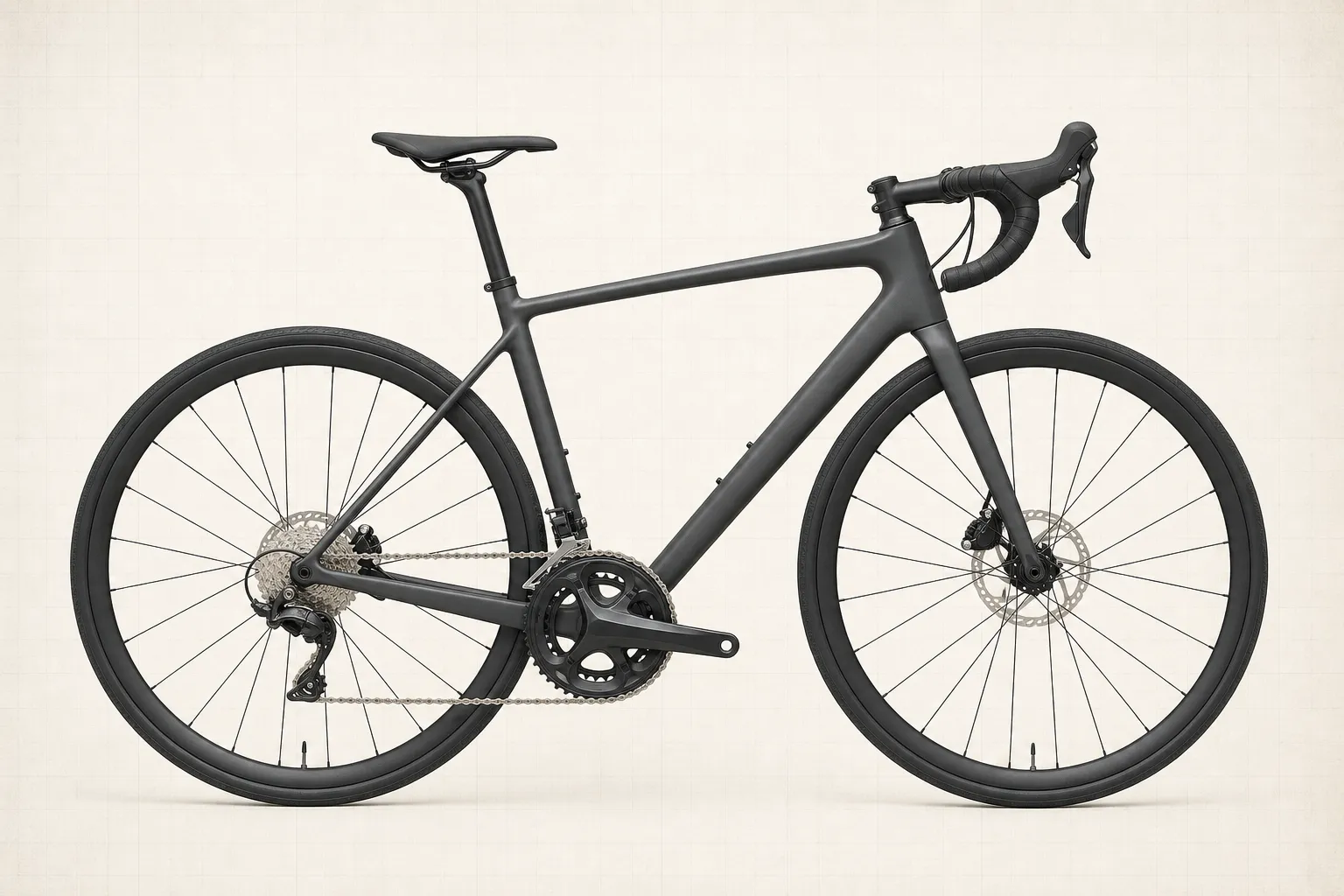
Drinking from a water bottle on a moving road bike is one of the first true confidence hurdles for a beginner. The moment you take one hand off the handlebar to search for your drink, the front wheel can twitch, your shoulders drop, and the bike drifts across the road. But drinking while riding does not require acrobatics or circus balance—it is simply a mechanical habit of blind reaching, steady pedalling, and opening the valve with your teeth so your eyes never leave the tarmac.
The short answer: keep your eyes focused on the road ahead, move your steering hand slightly inward or keep a soft bend in your elbow, maintain steady pedalling in an easy gear, sweep your reaching hand down the frame tube blindly until your fingers hit the bottle, pull the valve open with your teeth, take small sips, and guide the base back into the cage lip purely by feel.
Why beginners struggle (and why looking down causes swerves)
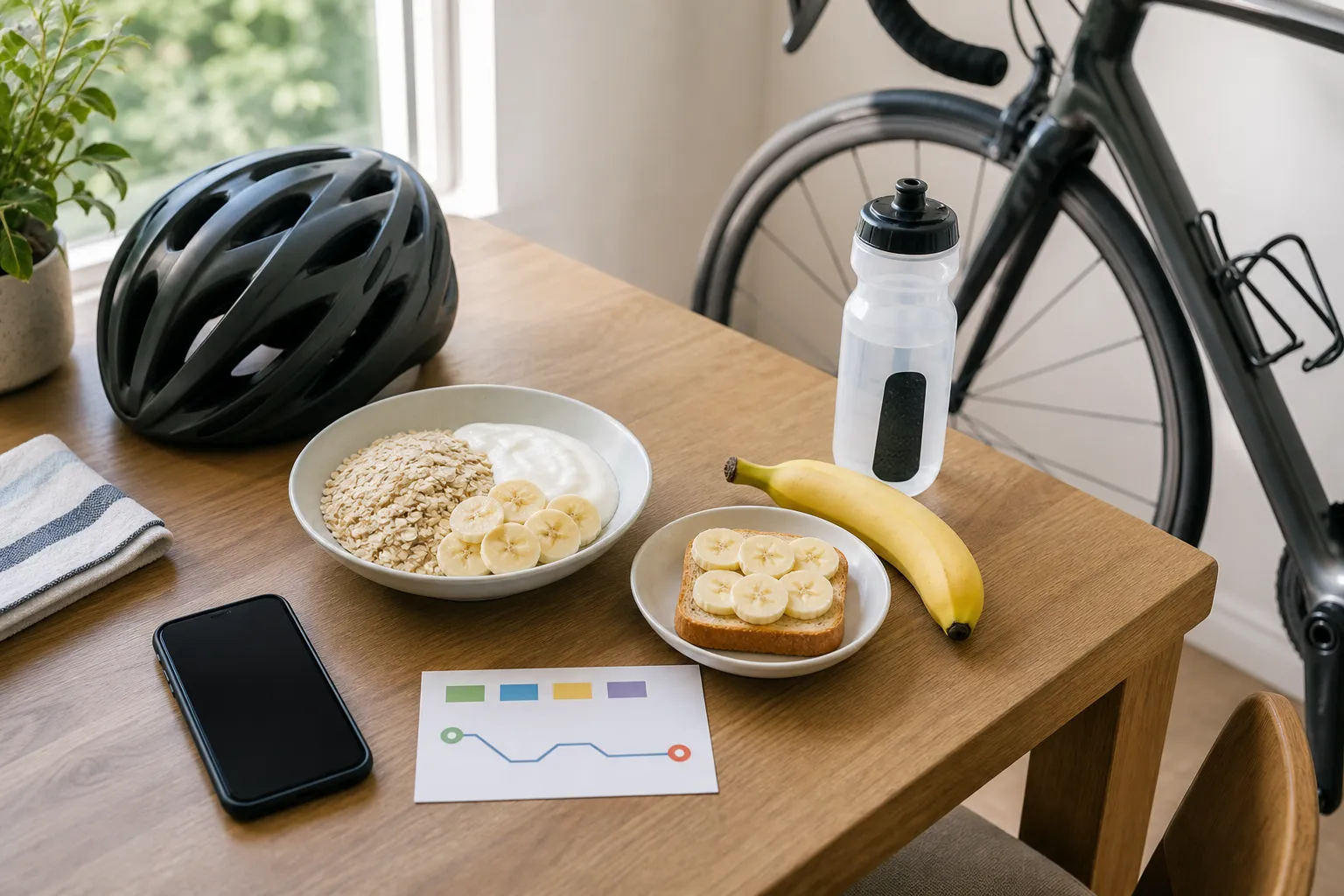
If taking a sip on the move feels terrifying, you are not alone. Almost every beginner makes the same three understandable mistakes during their first attempts:
- The “eyes lead the body” phenomenon: The human steering reflex follows head orientation. When you crane your neck downward between your knees to find the bottle cage, your upper body rotates, your reaching shoulder dips, and you unintentionally pull the handlebar in that direction. On a light road bike with quick steering geometry, a slight shoulder dip veers the front wheel a foot to the side in less than a second.
- The death grip on the remaining hand: When one hand leaves the bar, riders often panic-lock the other elbow straight and clamp down hard on the grip. A rigid, locked arm transmits every pedal stroke, hip sway, and surface bump directly into the steering axis, making the bike twitch uncontrollably.
- Trying to open the valve with two hands: Attempting to pull open a tight rubber push-pull nozzle using your fingers while riding means riding with zero hands or contorting your wrists while glancing away from hazards.
- Fear of dropping the bottle: Trying to eyeball the cage to guarantee a clean insertion distracts you from potholes, junctions, and road debris.
The cure for all of these issues is learning to treat the bottle cage as a tactile landmark that you navigate purely by touch.
The 4-step blind bottle drill
Practise this sequence on a quiet, flat, straight stretch of road. Break the action down into four deliberate steps until it becomes second nature.
[1. Stabilise Line & Pedals] ➔ [2. Blind Sweep to Cage] ➔ [3. Teeth Pop & Sip] ➔ [4. Tactile Slide & Click]1. Stabilise your steering and cadence
Before your hand leaves the handlebar, set up the bike so it wants to travel in a straight, steady line:
- Pick a flat, straight road segment: Avoid taking a drink while climbing steep pitches, negotiating traffic, or leaning into a bend.
- Maintain a smooth, continuous pedal stroke: Do not stop pedalling or coast. Steady pedalling in an easy, spin-friendly gear (see how to use road bike gears) provides gyroscopic stability and prevents your hips from rocking.
- Position your steering hand: If you are riding on the hoods, keep your wrist neutral and your elbow softly bent to absorb road vibrations. Alternatively, slide your controlling hand slightly inward onto the handlebar tops near the stem, where small hand movements have less leverage to unintentionally steer the wheel.
- Keep your eyes on the horizon: Fix your vision 15 to 20 metres ahead along your chosen line.
2. The blind sweep down the frame
Do not search blindly into empty air. Use the bicycle frame tubes as a physical rail:
- Release your bottle hand (typically your dominant hand, or whichever hand feels most natural).
- Lower your hand straight down along your torso or slide your fingertips along the downtube or seat tube until you feel the textured cap or lip of the water bottle.
- Grip the bottle firmly around the upper indent or middle body.
- Pull the bottle out in a smooth diagonal motion following the angle of the cage.
3. Open the valve with your teeth and sip
Never fumble with the nozzle using your fingers while riding:
- Bring the bottle smoothly up to your mouth.
- Place the nozzle between your upper and lower front teeth and pull gently outward to pop the valve open. (If you use a self-sealing squeeze bottle with a membrane valve, you simply squeeze the bottle body directly into your mouth without pulling).
- Tilt the base of the bottle up rather than throwing your entire head backwards. Keeping your head level allows you to maintain continuous forward vision of the road.
- Squeeze a moderate mouthful of fluid, swallow between breaths, and avoid gulping large amounts that leave you breathless.
4. The smooth blind return
Putting the bottle back into the cage is where most riders are tempted to look down. Instead, guide it back using physical contact points:
- Push the valve closed by pressing the nozzle against your chin, jersey chest, or lips (or leave it open if your bottle does not leak).
- Lower your hand toward the frame triangle without glancing down.
- Lightly touch the frame tube with the side of your bottle or little finger, and slide downward until the rounded base of the bottle catches the flared upper funnel of the bottle cage.
- Push the bottle down firmly until you feel or hear the tactile “clunk” of the cage notch settling into the bottle’s retention groove.
- Return your hand to the handlebar and resume a balanced two-handed grip.
Bottle cage types: standard vs. side-entry
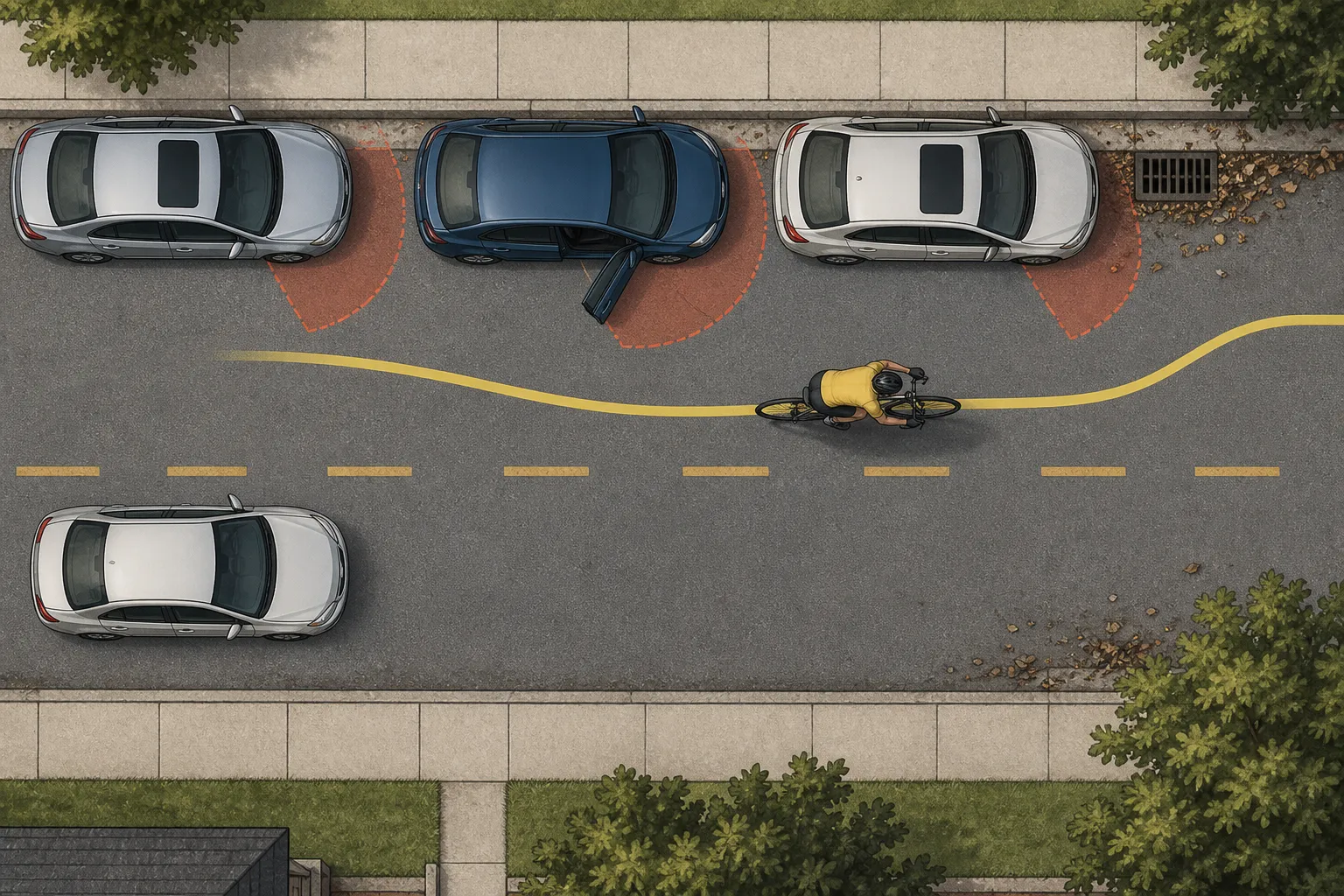
The design of your bike frame and bottle cages makes a massive difference in how easily you can pull and replace a bottle without looking.
| Cage Type | Best For | Advantages | Potential Drawbacks |
|---|---|---|---|
| Standard Top-Loading Cage | Medium to large frames with open triangles | Secure bottle hold, intuitive vertical pull, works identically from left or right | Difficult to clear on small/compact frames or with frame bags |
| Side-Entry / Side-Loading Cage | Small frames, compact geometry, endurance bikes | Bottle slides out sideways with minimal wrist lift; excellent for tight frame triangles | Must be purchased for specific left or right hand preference |
| Downtube Position | Primary hydration bottle (easiest to reach) | Sits higher and further forward; easiest to locate blindly on the move | More exposed to road spray and mud from front tyre |
| Seat Tube Position | Secondary / backup bottle | Sheltered from debris inside rear triangle | Requires reaching further down between the thighs |
If you ride an extra-small or small road frame, standard bottle cages often force you to twist or yank the bottle aggressively against the top tube. Swapping to a side-entry cage completely eliminates this clearance issue and makes one-handed blind drinking significantly easier.
When NOT to drink while riding
Drinking on the bike should only happen when road conditions are calm and predictable. There is zero shame in waiting for a safer section or stopping entirely.
Do not reach for your bottle in the following situations:
- Approaching intersections, roundabouts, and junctions: You must have both hands covering the brake levers to react to unexpected vehicles or pedestrians (review road cycling safety and road positioning).
- On descents: Higher speeds mean sharper vibrations, reduced reaction times, and the need for immediate, balanced two-handed braking power (review braking and cornering with confidence).
- Mid-corner or entering a bend: Leaning the bike while holding the handlebar with one hand compromises your balance and prevents effective counter-steering.
- On rough tarmac, cattle grids, potholes, or railway tracks: Any unexpected bump could dislodge your hand or launch the bottle from your grip.
- In a close paceline or group ride: Reaching for a bottle while drafting closely behind another wheel is a frequent cause of group crashes. Wait until you rotate off the front or drift slightly to the side in clear air.
- When breathing so hard your lungs are burning: If you are maxed out on a steep climb, attempting to drink can cause choking or hyperventilation. Wait until the gradient eases or review how to ride hills without burning out.
The progressive practice progression
Do not attempt your first bottle pull in heavy traffic or on a group ride. Spend 15 minutes working through this low-stress practice drill:
Phase 1: Stationary muscle memory (5 minutes)
- Put on your cycling kit and shoes, and straddle your bike indoors or lean your shoulder gently against a hallway wall (or mount your bike on a stationary turbo trainer).
- Look straight ahead at a picture or spot on the wall.
- Practise sliding your hand down, pulling the bottle, opening the valve with your teeth, pretending to drink, closing the valve, and clicking the bottle back into the cage.
- Repeat 20 times in a row without looking down once. Your fingers will quickly build tactile memory for the exact location of the cage.
Phase 2: Empty car park one-handed riding (5 minutes)
- Head to an empty, flat car park or quiet tarmac path.
- Ride at a comfortable jogging speed (15–18 km/h) along a painted parking stall line.
- Relax your steering elbow and take one hand off the bar to touch your hip, thigh, and then the downtube while keeping your front wheel tracking perfectly straight along the painted line.
Phase 3: Full rolling bottle drill (5 minutes)
- On the same flat, empty tarmac, complete the full sequence: pull, teeth-pop, sip, close, and re-cage.
- Focus on keeping your cadence steady and your eyes fixed 20 metres ahead.
- If the front wheel wanders, slow down, relax your steering grip, and check that your shoulders remain level.
What if you drop your bottle?
If your hand slips and you drop the bottle on the road:
- Do not brake suddenly or swerve to catch it. A falling plastic bottle will bounce harmlessly; snatching at it while moving will cause a crash.
- Keep your eyes forward, maintain a straight line, check behind you, signal, brake smoothly to a stop on the verge, and walk back to retrieve it.
Hydration planning for beginner rides
Knowing how to drink is only half the battle; knowing when and what to drink keeps your energy and focus sharp.
- Sip early and regularly: Take a small sip every 15 to 20 minutes rather than waiting until your mouth is dry. Thirst is a lagging indicator of dehydration.
- Pre-ride cage check: Before setting off, use the five-minute pre-ride bike check to ensure your bottle cage bolts are snug. A loose cage will rattle, rotate, and jam against your cranks.
- Match your drink to the ride duration: For rides under an hour, plain water is almost always sufficient. For longer or hotter adventures, explore what to eat and drink on beginner rides for guidance on electrolyte tablets and carbohydrate fuel.
Common mistakes and quick fixes
| Mistake | Why it happens | The easy fix |
|---|---|---|
| Looking down at the frame | Habit and fear of missing the cage | Pick a focal point 20 metres ahead on the road; use frame contact to guide the hand |
| Bike swerves to one side | Shoulder drops and pulls the handlebar | Keep upper body square; slide steering hand inward toward the stem |
| Front wheel shakes or twitches | Rigid, locked elbow on steering arm | Relax your grip, keep the elbow softly bent to absorb road buzz |
| Stopping pedalling while drinking | Natural instinct to coast when distracted | Keep legs turning over at a steady, easy cadence for gyroscopic balance |
| Bottle hits the top tube on removal | Frame triangle is too compact for a top-pull cage | Replace standard cage with a side-entry bottle cage |
| Teeth slipping off the valve | Nozzle valve is stiff or caked with dried sugar | Clean valves thoroughly after every ride and lubricate the seal with water |
Your next step
On your next ride, find a wide, quiet, flat section of road during the first 10 minutes. Before you feel thirsty, complete three blind bottle pulls: smooth unclip, pop the valve with your teeth, take one small sip, and slide it back home without glancing down once.
If you ever feel uncertain in traffic, high winds, or heavy bunch rides, remember: pulling over to the roadside verge for 30 seconds to take a calm drink is always a smart, safe choice.
Sources and further reading
- NHTSA: Bicycle Safety Tips & Rules of the Road
- British Cycling: Essential Bike Handling & Group Skills
- Cycling UK: Beginner Road Cycling & Essential Hand Signals
- SIKLIST: What to Eat and Drink on Beginner Rides
- SIKLIST: Road Cycling Safety and Road Positioning
- SIKLIST: Braking and Cornering with Confidence