Your first ride does not need to be impressive
Make your first road-bike ride short, calm, and repeatable so success means returning safe, comfortable, and ready to ride again.
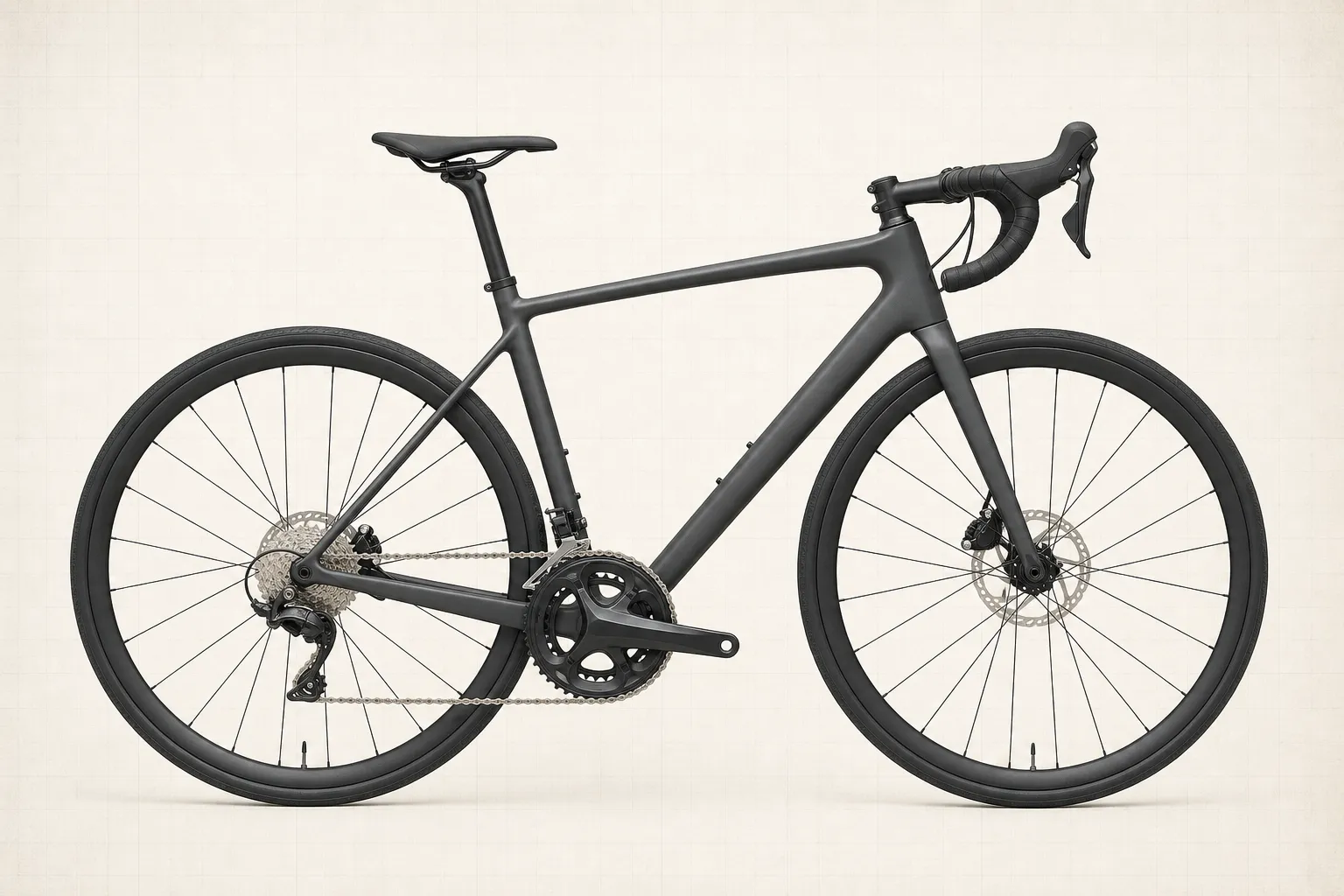 Field guide / your-first-ride-does-not-need-to-be-impressive
Your first road-bike ride does not need to prove anything. It succeeds if you return safely, learn one useful thing about the bike or route, and still feel curious enough to ride again.
The short answer: make the first ride almost boring on purpose. Pick a short, low-stress route, ride at easy effort, stop before concentration falls apart, and judge the ride by control, comfort, and repeatability instead of distance, speed, or whether it looked impressive online.
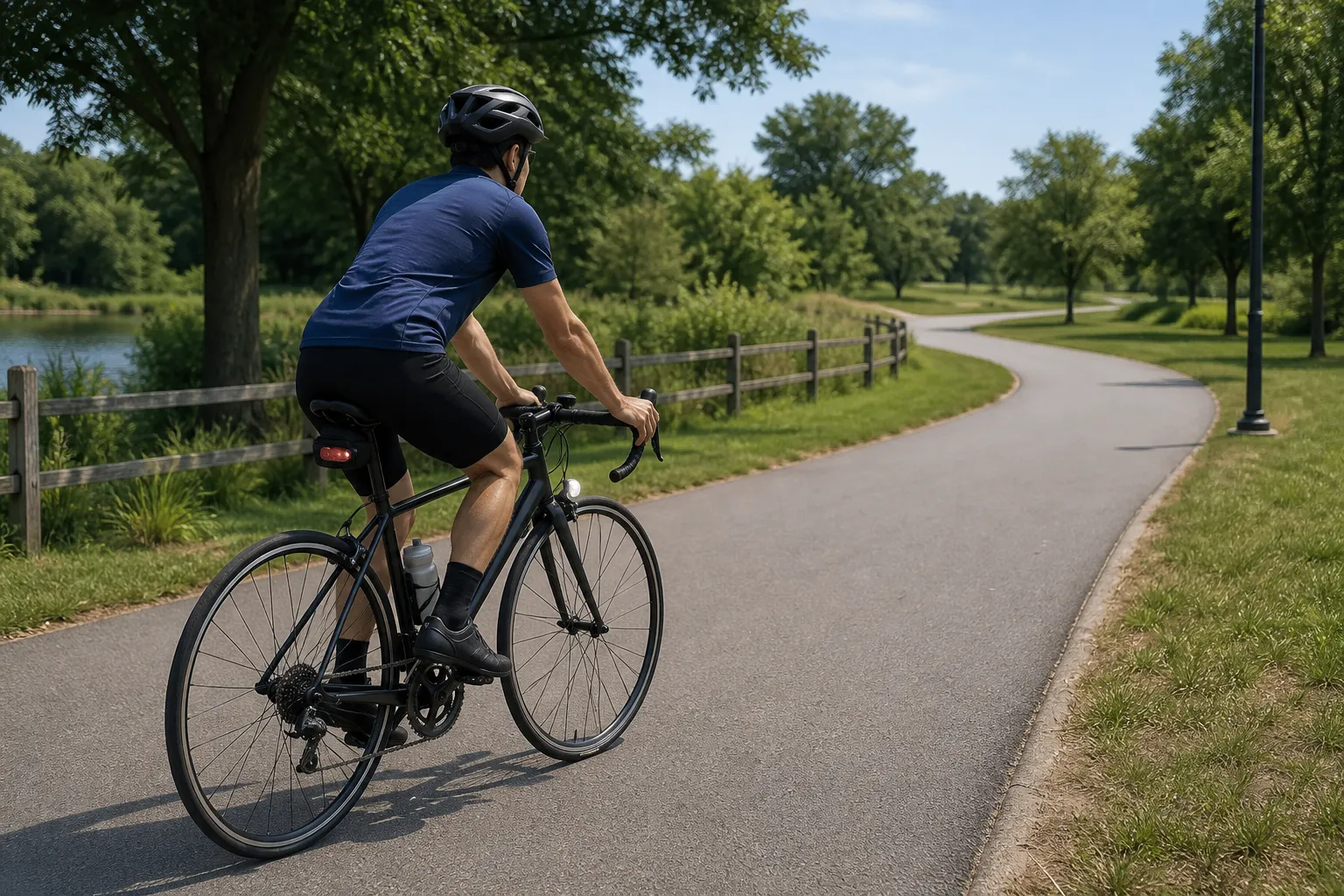
Why beginners feel pressure to make it big
Current cycling-community questions are full of ambitious goals and quiet uncertainty. One new rider signed up for a 40 km event while still choosing a bike. Another described being a complete beginner with long-distance goals. A recent thread about building endurance from 15-minute rides shows the same hidden question: “Is this tiny start enough?”
Yes, if it is repeatable. The first ride is not a race rehearsal, a fitness test, or a personality exam. It is a controlled introduction to starting, stopping, braking, shifting, surfaces, traffic exposure, comfort, and your own attention span on the bike.
That also fits public-health guidance. The WHO says any amount of physical activity is better than none, and the CDC says adults who sit less and do any amount of moderate- or vigorous-intensity activity gain some health benefits. Those are not cycling training plans, but they support a beginner-friendly principle: start with something you can do again.
Define success before you leave
Do not let the ride app define the first ride after the fact. Choose the success criteria before you roll out.
A good first-ride target sounds like this:
- I checked the bike before leaving.
- I rode somewhere legal, familiar, and low-stress.
- I could brake and stop where I intended.
- I used easy gears instead of grinding.
- I finished with some attention and energy left.
- I know one thing to repeat or adjust next time.
That is enough. If the ride is 10 minutes, around the block, through a park loop, or to a quiet cafe and back, it still counts. If it reveals that the saddle needs attention, the route was too busy, or the brakes need a mechanic, that is useful information rather than failure.
For the broader setup path, use your first month of road cycling. This post is the smaller permission slip: the first ride only has to earn the second ride.
Keep the route almost too easy
The first ride should ask fewer questions than you think. NHTSA bicycle safety guidance advises planning routes with less traffic and slower speeds when riding on roads. That matters because a beginner is already spending attention on the bike itself.
Prefer a route with:
- a smooth, familiar surface;
- low traffic, protected space, or quiet streets where cycling is legal;
- no difficult junctions, fast descents, or surprise gravel;
- an obvious stop, turnaround, shortcut, or way home;
- enough daylight and weather margin that you are not rushing.
If that sounds too cautious, good. The route can get bigger later. The first version should make it easier to notice whether your hands reach the brakes, whether shifting makes sense, whether the tyre pressure feels wildly wrong, and whether the bike is making a sound you should check before going farther.
Use why your first route should feel almost too short if route choice is the main uncertainty. Use the five-minute pre-ride bike check if the bike itself is the worry.
Ride easier than your ego wants
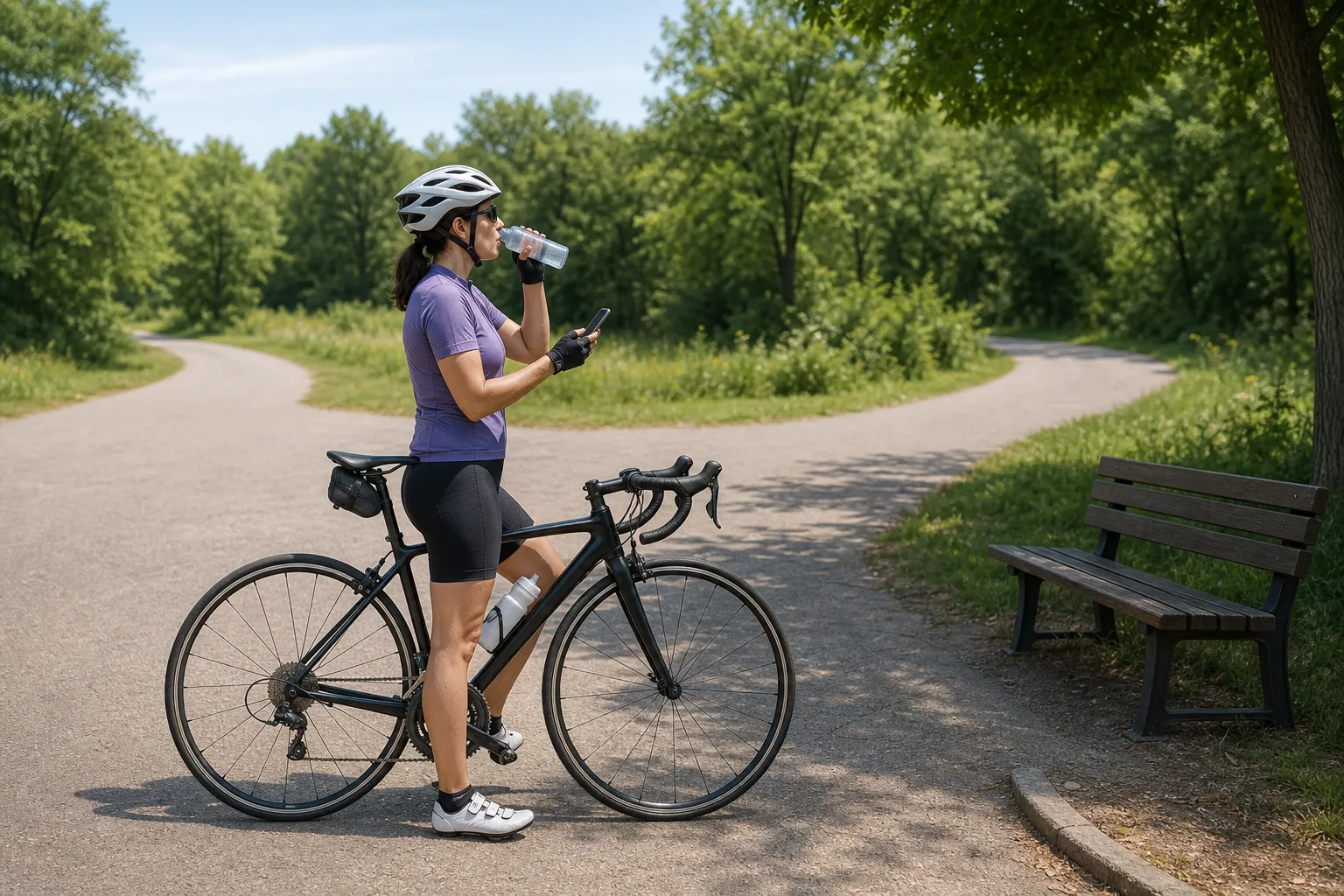
Start in an easy gear and keep the effort low enough that you could speak in short sentences. The CDC’s intensity guidance describes the talk test as one way to understand effort: at moderate intensity, many people can talk but not sing. On a first road-bike ride, even that may be more effort than you need.
The aim is not to underachieve. It is to leave enough attention for decisions. Hard effort makes every other beginner task worse: braking feels rushed, shifts happen too late, route choices get sloppy, and small comfort issues become louder.
If your legs burn in the first few minutes, try an easier gear before assuming you are unfit. If your hands, saddle, knees, neck, or feet develop sharp, worsening, numb, or one-sided pain, stop and treat that as information. For ordinary new-position discomfort, write down where it happened and when. For concerning symptoms, injury history, or medical questions, get qualified help rather than troubleshooting from a ride post.
Review one thing, not everything
After the ride, avoid turning the app into a courtroom. Average speed, distance, calories, elevation, and ranking are blunt beginner signals because they mix fitness with wind, traffic, route choice, stops, surface, and confidence. Average speed is a poor beginner scoreboard explains that trap in more detail.
Write one useful note instead:
- Control: What felt smoother: starting, stopping, braking, shifting, looking ahead, or turning?
- Comfort: Did any discomfort fade, repeat, or get worse?
- Route: Which spot used the most attention?
- Bike: Did anything rub, rattle, slip, feel soft, or need checking?
- Next ride: Should you repeat the same route, shorten it, or add one small challenge?
That is the whole review. Do not grade yourself against people who have been riding for years.
One focused next action
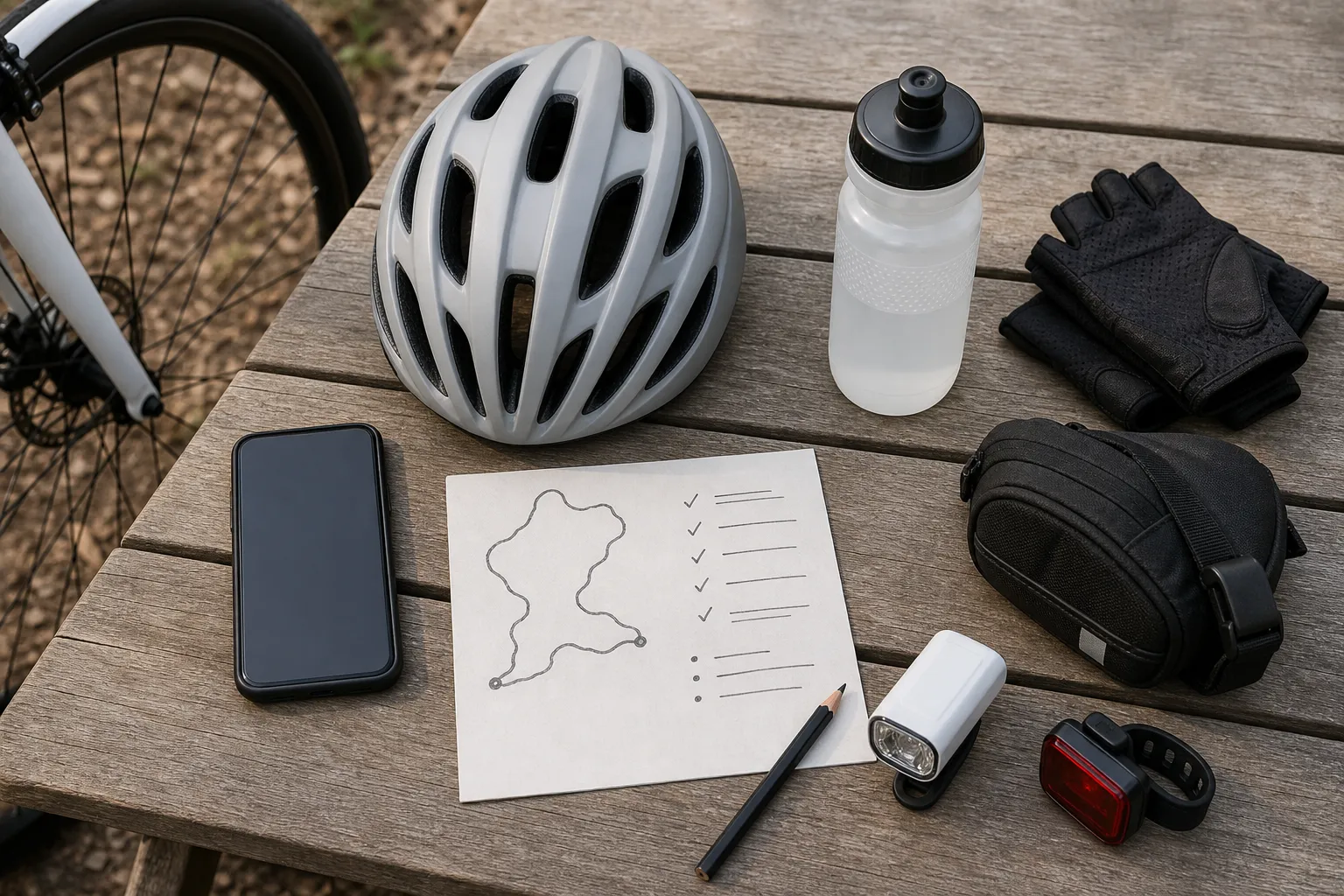
Plan a first ride you would not be embarrassed to repeat exactly. Check the bike, choose the quiet route, decide your safe stop before leaving, and come home with one note.
If the note is “that felt too easy,” perfect. Repeat it once. Then add one small change next time.
Sources and further reading
- WHO: physical activity
- CDC: adult physical activity overview
- CDC: measuring physical activity intensity
- NHTSA: bicycle safety
- r/cycling reader context: beginner training for a 40 km event
- r/cycling reader context: complete beginner with long-distance goals
- r/cycling reader context: endurance from short rides