Average speed is a poor beginner scoreboard
Stop judging beginner cycling progress by one average-speed number; use repeat routes, comfort, control, and effort instead.
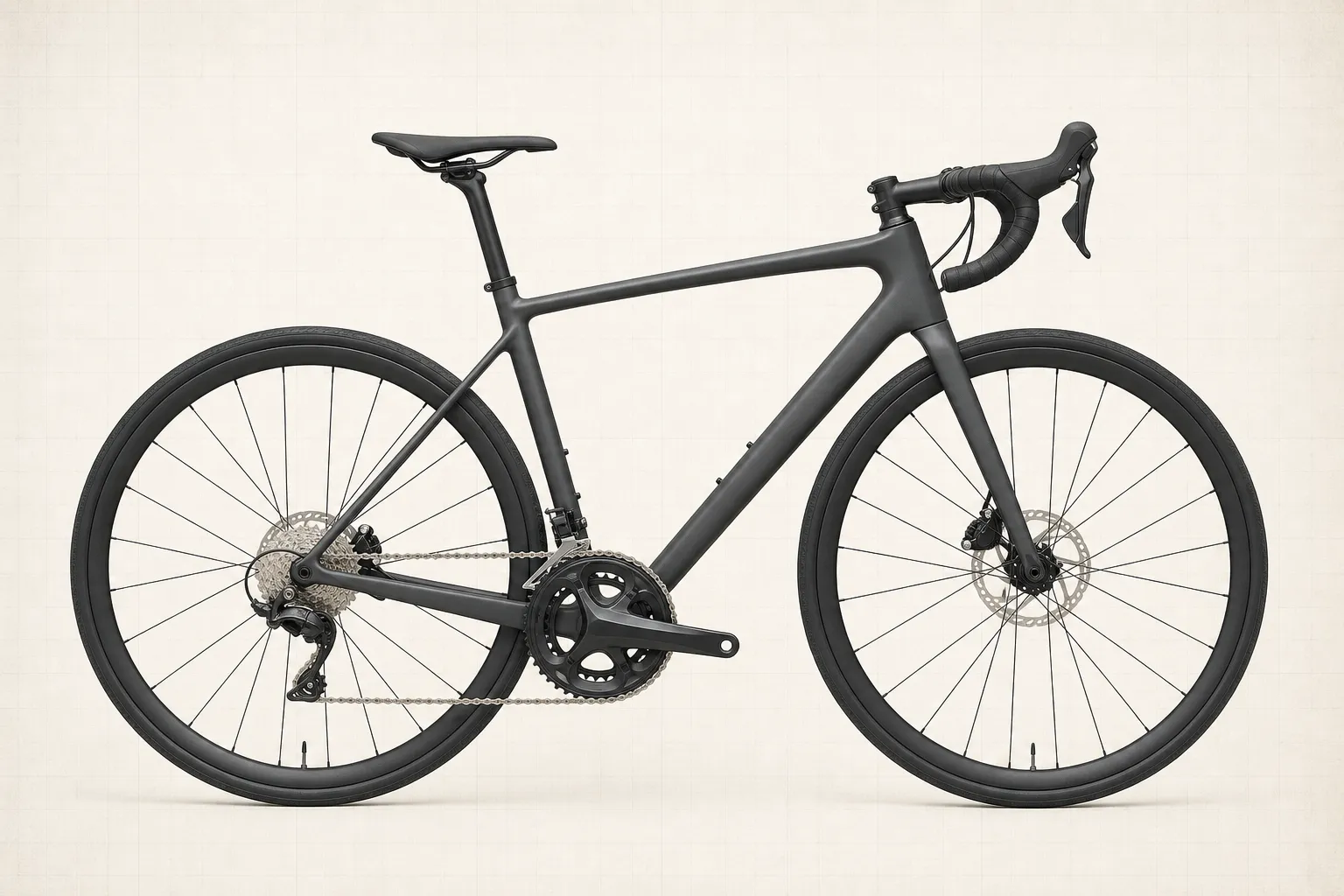 Field guide / average-speed-is-a-poor-beginner-scoreboard
Average speed is a noisy beginner cycling scoreboard. It mixes your legs with hills, wind, stops, traffic, road surface, route choices, bike handling, confidence, and whether you remembered to pause the timer. Useful progress is calmer than that: repeat a manageable route, finish with control, and notice whether the same ride feels easier over time.
The short answer: do not ask whether your average speed is “good” yet. Ask whether you rode safely, kept a sustainable effort, handled the bike better, recovered normally, and can repeat the route without it feeling bigger than you.
Why the number feels so personal
Beginner cycling communities are full of speed anxiety. In recent r/cycling and r/bicycling threads, new riders ask what a realistic average speed should be, whether being stuck at 25 km/h means they are training wrong, why they feel slow after months of riding, and whether a bike upgrade would make them faster.
That wording matters because the hidden question is rarely just “what number should I see?” It is usually “am I doing this wrong?”
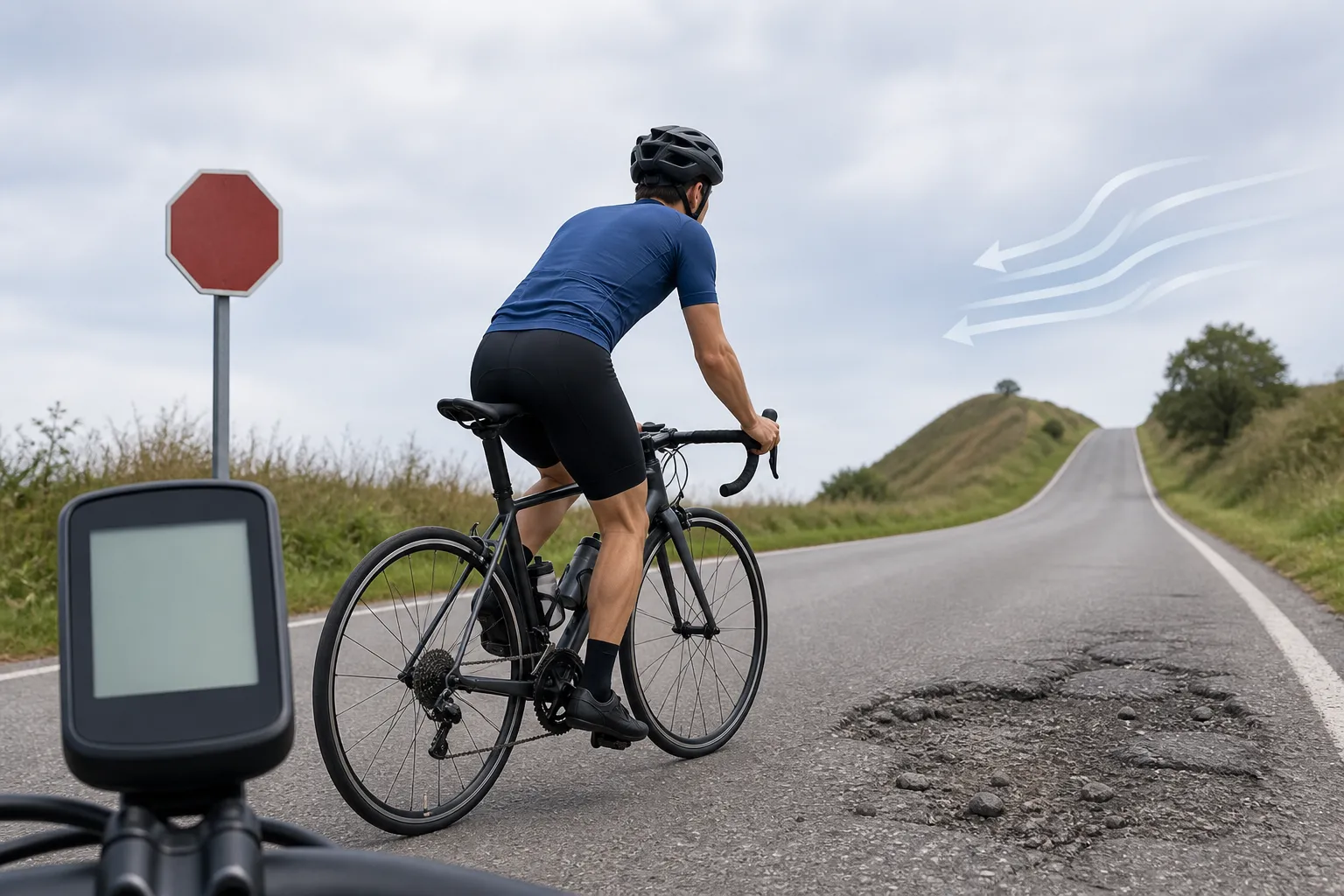
Often, no. You may simply be riding a hillier route, stopping for more traffic lights, using a gravel or hybrid bike, carrying more kit, riding alone instead of in a group, facing wind, navigating, or spending attention on bike control. A single average-speed number cannot separate those things.
Compare routes, not people
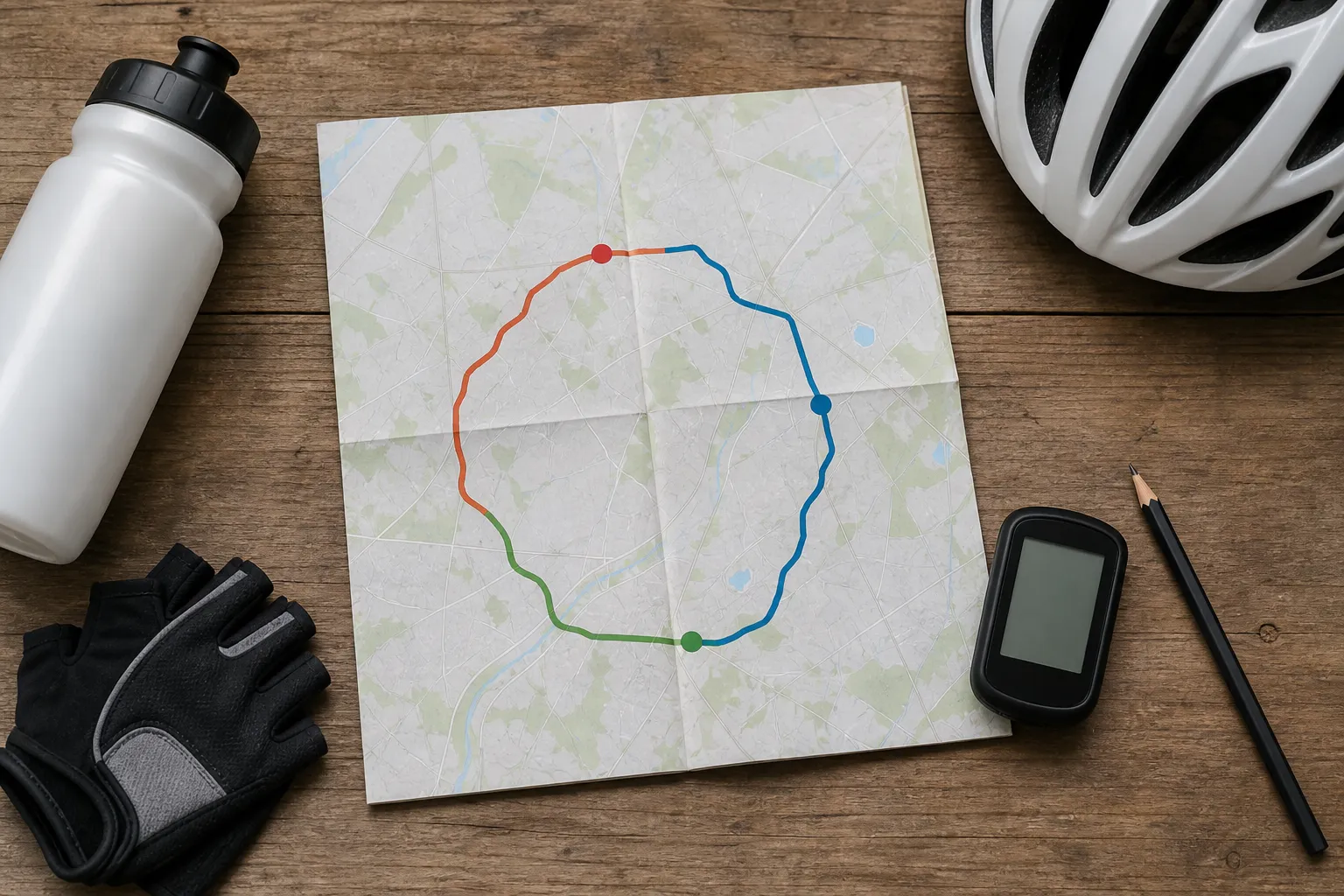
Average speed becomes more useful when the comparison is controlled. The cleanest beginner comparison is the same rider, on the same short route, in similar conditions, at a similar effort.
Try this:
- Choose one easy route that you can ride safely and repeat.
- Record distance, rough weather, how hard it felt, and one handling note.
- Ignore one-off personal records for a few weeks.
- Look for patterns: same route feels easier, fewer stops feel chaotic, breathing settles sooner, or you can add a small extension.
This is why your first route should feel almost too short and why a full first-route plan should leave attention for the ride itself. If the route keeps changing, the speed number keeps measuring different problems.
Use effort before speed
For general health guidance, public-health sources define intensity by how hard the activity feels, not by a cycling app leaderboard. The CDC’s intensity guidance says moderate effort can often be checked with the talk test: you can talk but not sing. It also notes that relative intensity depends on the person, so the same activity can feel moderate for one rider and vigorous for another.
The American Heart Association and CDC adult activity overview both point adults toward regular moderate or vigorous aerobic activity, spread through the week, with gradual increases over time. That supports a beginner-friendly principle: build repeatable riding first, then gently extend duration or route challenge when the current version feels under control.
This is not a training prescription. If you have a medical condition, unusual symptoms, or a reason exercise intensity might matter clinically, use qualified medical advice rather than an article or app number.
A better beginner scoreboard
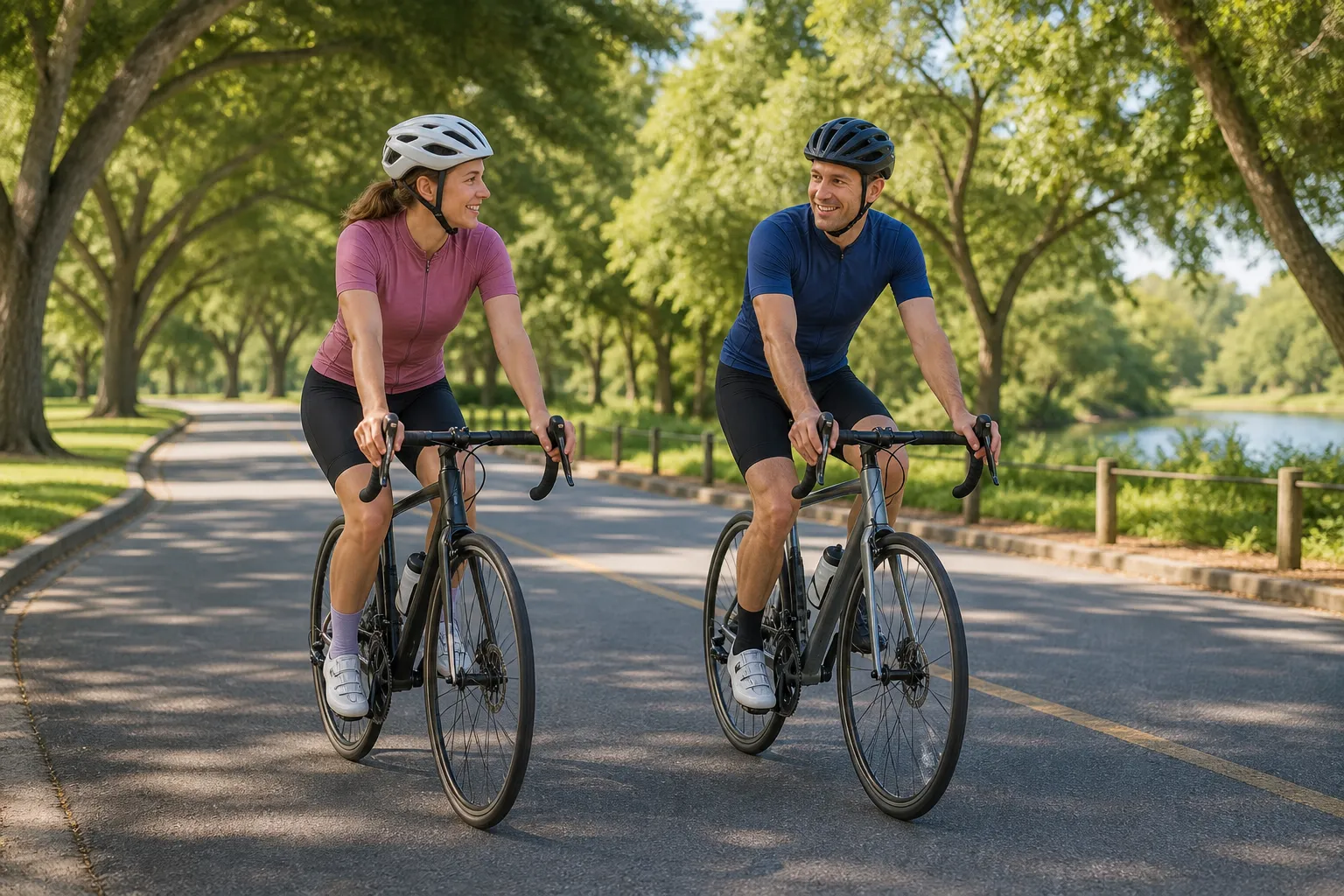
Use average speed as one note, not the headline. A better first scoreboard looks like this:
| Question | Useful beginner signal |
|---|---|
| Did I ride safely? | I kept attention for traffic, braking, surface, and navigation |
| Was the effort sustainable? | I could talk, breathe, and finish without turning the ride into a survival test |
| Did control improve? | Starts, stops, shifting, braking, and turns felt less rushed |
| Was the route repeatable? | I could ride it again soon without needing a huge recovery |
| What changed? | Distance, hills, wind, stops, traffic, or surface explain the number |
If you still want a speed target, use it only inside that context: same route, similar weather, similar stops, similar effort. A slightly faster repeated ride can be encouraging. A slower windy ride with better traffic decisions can also be progress.
Common speed traps
Do not compare your solo average with a group ride. Drafting, shared pacing, fewer navigation decisions, and social momentum make a different activity.
Do not compare a flat rail trail with a stop-start city loop. Junctions and road position matter. NHTSA bicycle safety guidance tells riders to follow road rules, stay alert, avoid distraction, and choose routes with less traffic and slower speeds when riding on the road. Those safety decisions may lower an average-speed number, and they are still the right decisions.
Do not compare moving time with elapsed time without noticing the difference. A cafe stop, a long crossing, a photo, or a mechanical pause can change one version of the number more than the other.
Do not make a faster average the reason you ignore a soft tyre, weak brake, loose wheel, low light, or sketchy junction. Use the five-minute pre-ride bike check before you leave, and keep how to use road bike gears close if hills make you grind too hard.
One focused next action
Pick one short route you can ride comfortably this week. Ride it twice without trying to set a record. After each ride, write down the average speed if you like, but circle the better answer: safer, smoother, calmer, easier, or more repeatable.
That is a beginner scoreboard worth keeping.
Sources and further reading
- CDC: how to measure physical activity intensity
- CDC: adult physical activity overview
- American Heart Association: physical activity recommendations
- NHTSA: bicycle safety
- r/cycling reader context: realistic average speed for a new cyclist
- r/cycling reader context: stuck at 25 km/h average
- r/bicycling reader context: why am I so slow?