How old is too old for a used road bike?
A used road bike is not too old by calendar alone. Judge frame integrity, fit, standards, service history, replacement parts, repair cost, and recalls before buying.
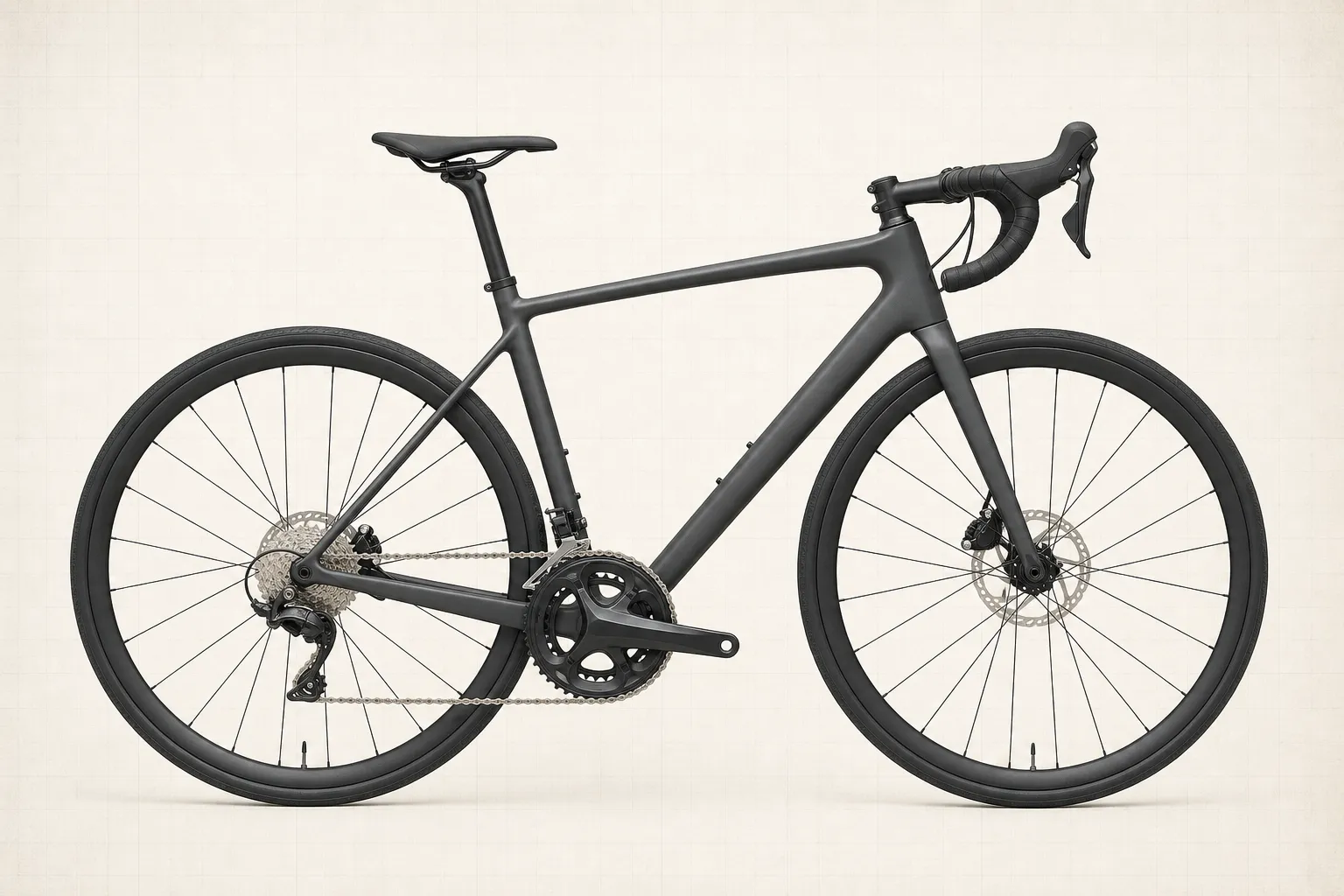 Field guide / how-old-is-too-old-used-road-bike
There is no calendar age at which every road bike becomes unsafe or worthless. A well-kept older bicycle that fits, passes inspection, and uses serviceable parts can be a better buy than a newer bike with crash damage, seized components, or an expensive proprietary cockpit.
The short answer: age is a filter, not the verdict. Buy only when you can identify the bike, verify ownership and recall status, inspect its structure and wear parts, confirm replacement-part availability, and add immediate repairs to the price. Walk away when the history or condition cannot support a safe decision.
Why the age question keeps returning
Riders looking at three- to nine-year-old road bikes ask how model year affects value and reliability. New riders also ask whether to buy used without knowing what to inspect. The discussions show the same search intent: people want one maximum age because it feels safer than assessing an unfamiliar machine.
Reddit opinions and asking prices do not establish safety or market value. The useful answer is a repeatable condition-and-support check.
Start with five gates
A used bike must pass all five:
- Identity and ownership: model, approximate year, size, serial number, seller identity, and a plausible ownership story.
- Structural condition: no unresolved impact, crack, deformation, corrosion, delamination concern, or damaged attachment point.
- Fit: suitable geometry and adjustment range for you.
- Serviceability: available tyres, brake parts, bearings, drivetrain parts, and model-specific hardware.
- Economics: purchase price plus immediate work still makes sense beside a safer or better-supported alternative.
Fail one gate and the apparent bargain is irrelevant.
Age matters indirectly
Years affect a bike through use, storage, standards, and support rather than through a universal expiry date.
Use history
Ten quiet years in dry indoor storage are different from two seasons of racing, crashes, sweat, wet roads, roof racks, and pressure washing. Mileage claims are hard to verify and do not reveal impacts or maintenance quality.
Look for evidence instead: receipts, replaced wear parts, matching component generation, clean fasteners, smooth bearings, and a seller who can explain service work without improvising.
Storage history
Moisture can corrode steel hardware, cables, bearings, and aluminium interfaces. UV and ozone can age rubber. Sweat can collect around the headset, stem, top tube, and seatpost. A dry-looking garage does not guarantee the inside of the frame or bearings stayed dry.
Standards and spares
An older standard is not automatically bad. Threaded bottom brackets, external cables, rim brakes, and common quick-release wheels may be inexpensive to service. Trouble begins when the exact shifter, hydraulic fitting, freehub body, derailleur hanger, seatpost, headset part, integrated bar, or electronic battery is unavailable or disproportionately costly.
Search by exact model number before paying. Shimano maintains specification and compatibility archives back to 2005, which can help identify intended combinations. Other makers have their own archives and service portals.
Unknown structural events
A frame can look tidy after a crash. Paint condition alone cannot certify carbon, aluminium, steel, or titanium. Material stereotypes are not an inspection method: each can be damaged, and each failure mode needs appropriate expertise.
If damage is suspected, stop. A specialist may need to inspect the bare area or component, and even specialist methods have limits when history is unknown.
Use model year to ask better questions
| Approximate age | What to investigate—not assume |
|---|---|
| 0–3 years | Warranty transfer, crash history, financed/stolen status, electronic updates, consumable wear |
| 4–8 years | Drivetrain availability, hydraulic service, proprietary cockpit/seatpost parts, wheel and freehub support |
| 9–15 years | Shifter and brake spares, tyre clearance, rim wear, corrosion, obsolete electronic systems, complete overhaul cost |
| 15+ years | Restoration intent, exact standards, fatigue/corrosion evidence, replacement rims and tyres, whether daily use is realistic |
These are investigation prompts, not pass/fail bands. A two-year-old crashed frame can be a no; a fifteen-year-old conventional steel bike can be maintainable.
Check recalls by identity, not appearance
Record the brand, full model name, model year, and serial number. Search the manufacturer’s support site and the official recall database where the bike was sold. In the United States, the Consumer Product Safety Commission provides recall search and historical data; other countries have their own product-safety authorities.
A seller saying “it has always been fine” does not resolve a recall. Confirm whether the serial is affected and whether the documented remedy was completed.
Price the first safe ride
The purchase price is only the entry fee. Make a line-item estimate for:
- tyres, tubes or tubeless service;
- chain and possibly cassette or chainrings;
- brake pads, rotors, cables, housing, or hydraulic service;
- wheel truing, spoke damage, rim wear, and hub bearings;
- headset, bottom-bracket, and pedal bearings;
- bar tape, saddle, or contact-point changes;
- a professional safety inspection;
- missing chargers, junctions, axles, spacers, and proprietary hardware.
Do not subtract hypothetical upgrade value from these costs. The question is what it takes to make this bike reliable and suitable now. Use how to judge a fair used-road-bike price to compare the total, not the advert headline.
Inspect in a fixed order
1. Confirm the size
Read the frame label, then find the archived geometry chart. Compare stack, reach, standover, and adjustment range rather than trusting a nominal centimetre size. Our used-bike test-ride guide explains the fit and control checks.
2. Inspect the frame and fork clean and dry
Use bright, angled light. Look around the head tube, fork crown and steerer area, top and down tube junctions, bottom bracket, dropouts, seat cluster, clamping zones, and every place with chipped or rippled paint. Check alignment clues and any unusual touch-up.
Do not diagnose a suspected crack from one seller photo. Use paint crack or frame crack? to recognise the stop signs, then get appropriate inspection.
3. Check every control and bearing
Both brakes should be predictable; every intended gear should select; wheels should be correctly attached; steering should be smooth; cranks should not have side play; and rims or rotors must remain within maker limits. A short test ride cannot clear an unsafe inspection finding.
4. Identify every proprietary part
Find a replacement derailleur hanger, seatpost wedge, axle, headset bearing, bar/stem spacer, and electronic charger before purchase. “Probably available” is not availability.
5. Verify the seller and serial
Follow the ownership steps in how to avoid buying a stolen used bike. Refusal to provide a serial, proof of origin, or a reasonable viewing is a reason to leave.
When an old bike is the better buy
An older bike can make sense when it:
- fits you without extreme adjustments;
- has a conventional, documented build;
- has no structural concern or unresolved recall;
- has replacement parts available at sensible cost;
- has recent service evidence or a transparent need for service;
- costs enough less than the alternative to absorb wear items;
- suits the tyre clearance, gearing, brakes, and luggage needs of your actual rides.
It is a poor buy when nostalgia, a premium badge, or a high original retail price is doing more work than present condition.
Your next step
Before arranging a viewing, ask for the exact model, year, size, serial number, drivetrain model, wheel model, service history, crash history, and clear photos of both sides plus frame junctions. Put the answers through the used road bike checklist and price the first safe ride. If the seller cannot support those basic checks, keep looking.
Sources and further reading
- CPSC: recalls and product safety warnings
- CPSC: recall data and historical search resources
- Shimano: current and archived component specifications and compatibility
- r/cycling reader context: assessing three- to nine-year-old road bikes
- r/cycling reader context: a beginner deciding between new and used