Felt sick on your first bike ride? Stop, recover, then reset the next ride
Know what to do when a beginner ride causes nausea or vomiting, which warning signs need medical help, and how to make the next ride easier.
 Field guide / what-to-do-if-first-bike-ride-makes-you-feel-sick
Before you view or pay
Check fit, condition, and starter gear first
Use the buying checklist to choose the right path: used-bike viewing, first-bike fit and type, hidden repair costs, or starter gear.
Feeling nauseated or vomiting on a first bike ride is a reason to stop, not proof that you are “too unfit” to cycle. Move somewhere safe, sit upright, cool down, take small sips if you are alert and able to drink, and arrange a lift or walk home only if you feel steady. Do not get back on merely to save embarrassment.
The short answer: end the ride and assess the whole situation. A first ride can become too hard because of pace, heat, hills, an inefficient bike, a large meal, poor hydration, anxiety, illness, or medication effects. The next step is a shorter, easier test only after you feel normal—not a harder attempt to prove the first one was a fluke.
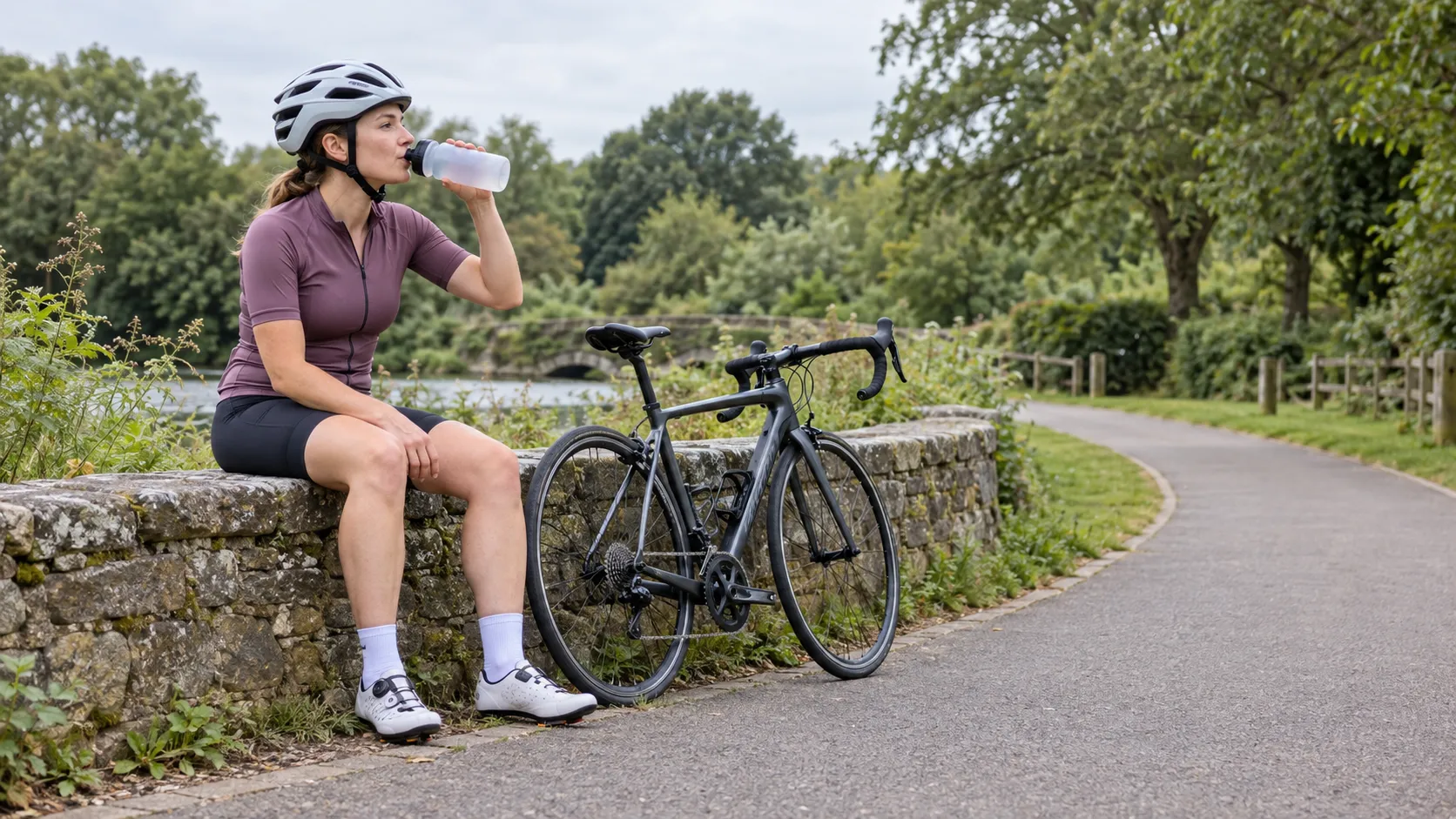
What to do immediately
- Stop in a safe place. Get completely clear of moving traffic and do not remain clipped in or straddling the bike.
- Sit upright and loosen restrictive layers. Move to shade or a cooler place if heat may be involved.
- Check for warning signs. Chest discomfort, faintness, confusion, severe or unusual shortness of breath, collapse, or pain spreading to the arm, back, neck, or jaw requires urgent help.
- Sip rather than gulp. If you are fully alert and not repeatedly vomiting, small sips are easier to tolerate than forcing a bottle at once.
- Do not ride home while unsteady. Call someone, use permitted transport, or wait in a safe staffed place. Walking a bike still requires balance and judgment.
The CDC lists nausea or vomiting among heat-exhaustion symptoms and advises medical help when a person is vomiting, getting worse, or still symptomatic after an hour. Heat stroke is an emergency, especially when high body temperature, confusion, loss of consciousness, or hot skin is present.
Why a short ride can feel unexpectedly hard
A recent beginner discussion described becoming sick after only a couple of kilometres. The distance alone cannot identify the cause. A short ride can contain a steep hill, a panicked start, strong headwind, hot weather, badly underinflated tyres, dragging brakes, or a gear so hard that every pedal stroke becomes a strength effort.
Common contributors include:
- starting much faster than a conversational pace;
- grinding a hard gear at low cadence;
- an abrupt hill before the body has warmed up;
- heat, humidity, heavy clothing, or direct sun;
- a large, rich, or unfamiliar meal close to riding;
- starting dehydrated or drinking a large amount at once;
- illness, reflux, migraine, anxiety, pregnancy, medication effects, or another health issue;
- low tyres, brake rub, poor wheel rotation, or a saddle position that makes pedalling inefficient.
This list is for troubleshooting, not self-diagnosis. If nausea is severe, keeps returning with exercise, happens with concerning symptoms, or worries you, talk to a qualified clinician before testing another ride.
Check the bicycle before blaming fitness
With the bike off the road, do the five-minute pre-ride check. Pay particular attention to:
- tyres inflated to a safe, measured pressure for the complete tyre-and-rim system;
- wheels that spin without a brake dragging heavily;
- a drivetrain that shifts into a genuinely easy gear;
- a saddle that is not extremely low or high;
- wheel attachment, brakes, steering, and pedals.
Do not inflate to the sidewall maximum merely because the tyre felt soft. Use the bike, rim, and tyre instructions plus the beginner tyre-pressure guide.
Make the next ride a controlled test
Wait until you feel normal and any medical concern has been resolved. Then change several risk factors in your favour:
- Choose a flat, familiar 10- to 20-minute loop close to home.
- Ride in mild weather and avoid the hottest part of the day.
- Start in an easy gear and keep the effort conversational.
- Eat normally rather than experimenting with fasting or a huge pre-ride meal.
- Carry water, but do not force more than feels comfortable.
- Turn around while you still feel good.
Use time, not mileage, for the first reset. The guide to how far a beginner should ride explains why route stress and recovery matter more than a universal distance.
Do not solve this by buying performance products
Energy gels, electrolyte mixes, a sports watch, or a faster bicycle do not diagnose nausea. For an easy short ride, normal meals and water are usually a simpler starting point. Hot conditions, longer duration, individual health needs, and heavy sweating can change the plan, but more product is not automatically more safety.
If eating or drinking timing seems relevant, use what to eat and drink on beginner rides and change one variable at a time. If heat was involved, read cycling safely in hot weather before going out again.
Your next step
Write down the weather, route, duration, meal timing, bike problems, and symptoms from the ride. Check the bicycle, resolve any medical concern, and choose a flat 10- to 20-minute reset ride. The goal is to finish calm and symptom-free—not to recover the distance you “lost.”
Sources and further reading
- CDC: heat-related illness symptoms and actions
- NHS: nausea, self-care, and urgent warning signs
- r/cycling reader context: a beginner becoming sick on an early ride — used as an editorial demand signal, not medical evidence.