What should you do to a road bike after riding in the rain?
Use a short wet-ride routine to remove road grit, dry the bike, protect the chain, check the brakes, and decide when a deeper clean is actually needed.
 Field guide / road-bike-care-after-riding-in-rain
After a rainy road ride, remove gritty contamination, dry the bike, and assess the chain and brakes. You do not need to strip and degrease the drivetrain after every shower, but parking a wet, dirty bike and forgetting it is a poor routine.
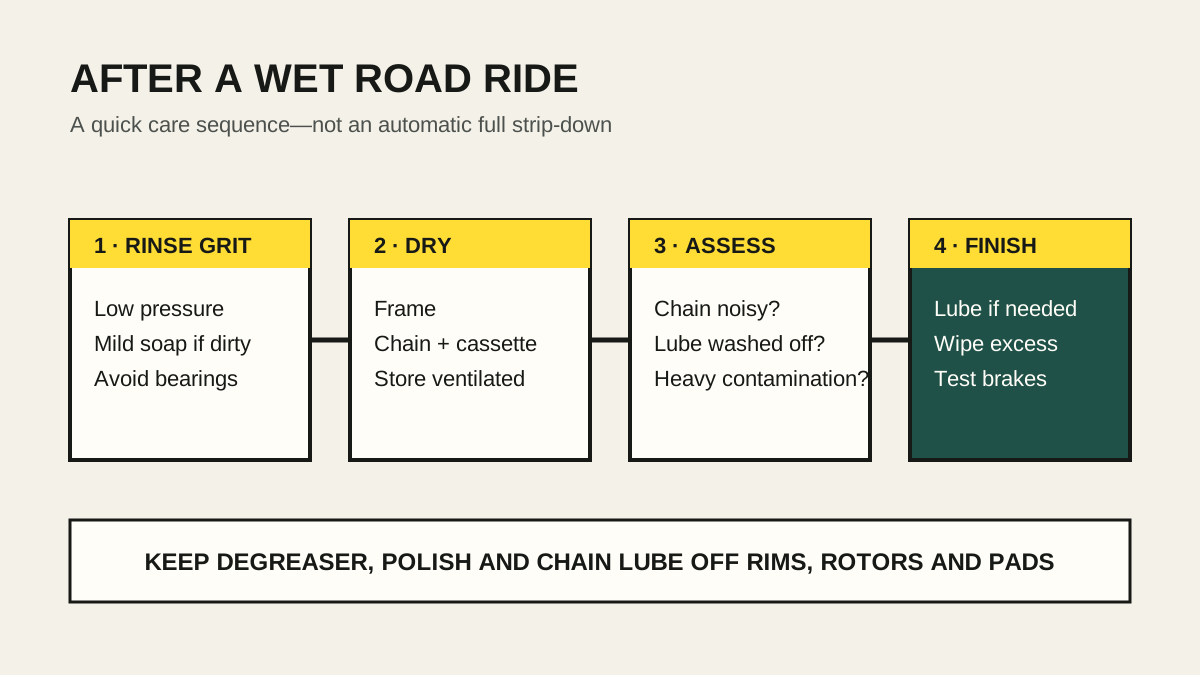
The short answer: if the bike is only wet, towel it dry and wipe the chain. If road spray has left visible grit or salt, use low-pressure water and mild soap, then dry it. Re-lubricate only when the chain’s lubricant has washed away or the chain sounds dry, and always wipe off the excess.
Why riders disagree about the size of the job
A current r/cycling discussion asked whether every wet ride requires a full chain clean and fresh lubricant. The useful editorial signal is the repeated uncertainty, not the commenters’ individual routines.
“Rode in rain” describes several different conditions:
- clean water on an otherwise clean bike;
- fine road grit sprayed onto the chain and brake surfaces;
- mud or standing water carrying abrasive particles;
- winter road salt or coastal contamination;
- a long soaking that washes lubricant from the chain;
- a brief shower after which the bike can dry indoors.
The correct routine depends more on contamination and drying than on the existence of raindrops.
The ten-minute wet-ride routine
1. Let the bike drain somewhere safe
Put the bike in a ventilated place where water will not create a slipping hazard. Do not store it wet inside a sealed bag or immediately cover it with a waterproof cover. Bounce it gently once or twice if useful, but do not expect this to remove water and grit from the drivetrain.
Remove lights, a computer, tool bottles, and wet luggage as their makers instruct. Open bags to dry separately.
2. Decide whether to rinse or only wipe
If the frame and drivetrain are visibly clean, a careful towel-dry may be enough. If you can see or feel sandy spray, salt, mud, or dirty streaks, rinse that contamination away with low-pressure water. Use a soft sponge or brush and mild soap for stubborn dirt.
Do not use a pressure washer or turn a hose into a jet with your thumb. Trek’s cleaning guidance warns that pressurised water can reach places it should not. Aim water away from bearing seals, electronic connectors, suspension parts, and frame openings.
Use separate cloths for the clean frame and greasy drivetrain. Dragging chain grit across paint is an efficient way to make scratches.
3. Dry the bike deliberately
Wipe the frame, chainrings, chain, cassette faces, derailleur pulleys, exposed cables, and fastener heads. Rotate the cranks backward with a clean rag held around the lower chain run, keeping fingers clear of chainrings and spokes.
Inspect rather than chase every hidden drop. Water trapped repeatedly inside a frame, rim, or bearing area may indicate a drainage, sealing, or assembly issue that deserves model-specific service.
4. Assess the chain before adding lubricant
Look and listen after the chain is dry:
- Is there still gritty paste on the rollers or plates?
- Does a clean rag quickly become sandy rather than merely dark?
- Does the chain sound dry when turned?
- Has the lubricant visibly washed away?
- Was the ride long, dirty, salty, or muddy?
If the chain is clean enough and still lubricated, stop. Adding lubricant after every sprinkle can build a dirt-catching coating. If it is dirty, clean it using the lubricant maker’s procedure. If it is dry, apply a compatible bicycle chain lubricant to the rollers, allow it to settle as directed, then wipe the outside thoroughly.
Never spray lubricant toward the bike. Drip application gives far better control around brakes.
What needs a deeper clean
A deeper drivetrain clean is sensible when:
- the chain remains gritty after repeated wiping;
- the ride included mud, flooded roads, or winter salt;
- shifting has become rough because contamination is packed around pulleys or sprockets;
- the lubricant maker requires a particular reset after wet contamination;
- you are changing to an incompatible lubricant system.
Do not mix solvents or reach for acidic or alkaline rust removers. Shimano warns against those cleaning agents on chains. Follow the instructions for the exact chain, lubricant, frame finish, bearings, and electronic components.
For the normal clean-and-lube method, use the complete road-bike chain guide. More product is not more protection; excess chain lubricant attracts dirt.
Check the brakes before the next ride
Water and grit can change brake sound and feel. After cleaning and drying:
- Confirm each wheel and axle is secure.
- Inspect braking tracks or rotors for dirt, oil, and damage without touching rotor surfaces.
- Squeeze each lever while stationary; it must not reach the handlebar.
- Confirm pads contact the correct surface, not the tyre.
- Test each brake separately at walking pace in a traffic-free place.
Some noise may disappear once clean brake surfaces dry. Persistent loss of power, a changed lever feel, pad contamination, a damaged rim, or a suspect rotor needs inspection before normal riding.
Do not forget the non-drivetrain clues
Use the wipe-down to notice:
- cuts or embedded debris in wet tyres;
- loose mudguards, bottles, bags, or lights;
- water inside a light or electronic connector;
- a new bearing grind or wheel play;
- standing water emerging from the frame;
- a chain beginning to show orange surface corrosion.
Do not spray water-displacing products indiscriminately. Some can harm finishes, seals, adhesives, or brake friction surfaces. Use only products approved for the exact part.
Your next step
Set out two rags and your normal chain lubricant before the next wet forecast. After the ride, remove visible grit, dry the bike, and let the chain’s condition decide whether it needs cleaning or lubrication. Finish with the brake and wheel checks from the five-minute pre-ride inspection.