One-sided hip pain and heavy hands need a bike-fit reset
Do not chase one-sided hip pain and hand pressure with random saddle, cleat, and stem changes. Preserve the baseline, check the bike, record the pattern, and escalate appropriately.
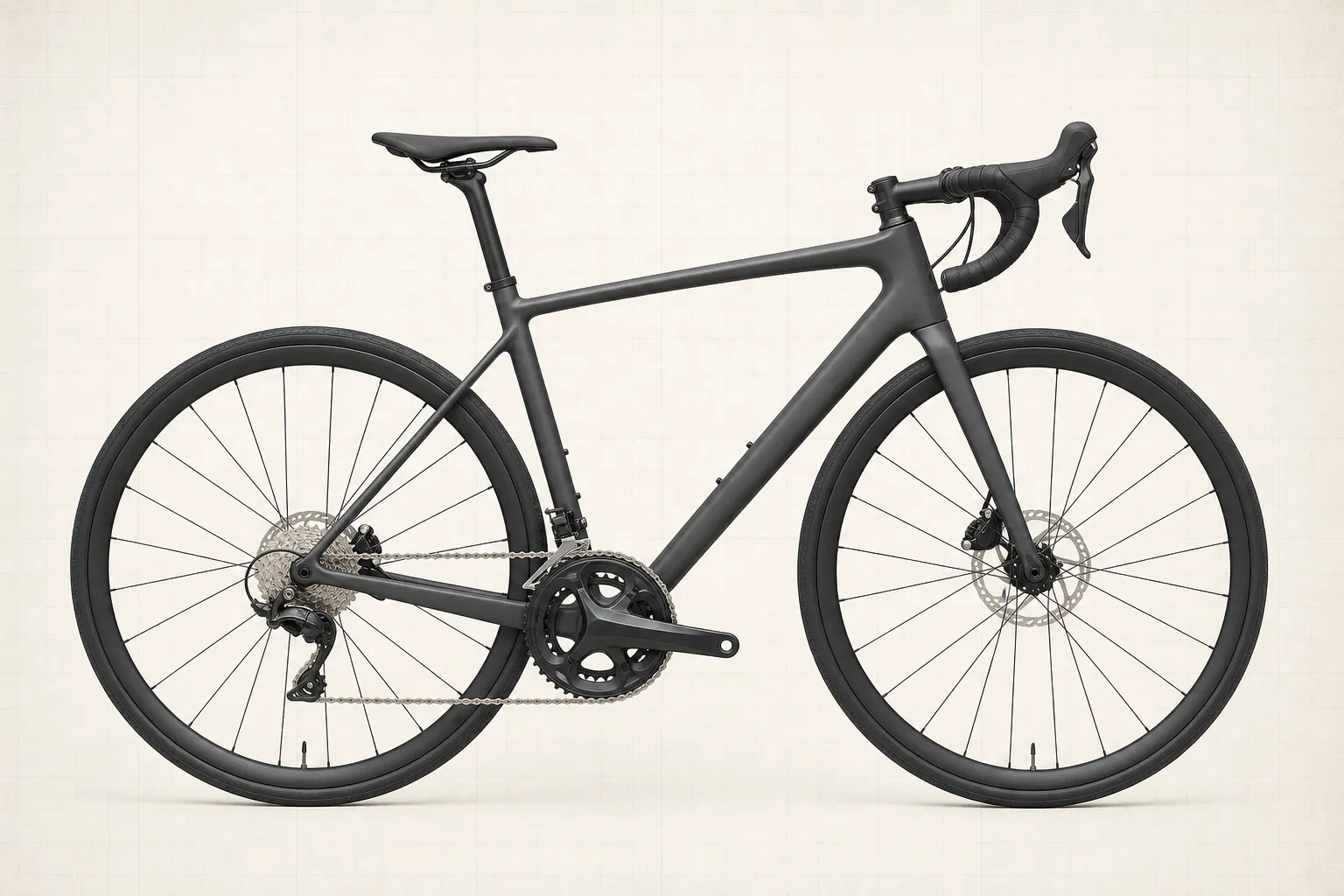 Field guide / one-sided-hip-pain-hand-pressure-bike-fit
One-sided hip pain plus excessive pressure on both hands does not point reliably to one adjustment. Saddle height, saddle tilt, setback, reach, cleats, fatigue, an asymmetric bike setup, and a health issue can produce overlapping signs. Preserve the current setup and separate observation from diagnosis.
The short answer: stop making simultaneous changes. Record where and when the symptoms occur, verify that the bicycle is mechanically straight and symmetrically set up, return to the last tolerable baseline, and seek a qualified fitter or clinician when pain persists. Do not diagnose a leg-length difference or move one cleat from a phone video.
The Reddit signal is disagreement
A current bike-fit discussion about one-sided hip pain and hand pressure produced conflicting suggestions: saddle forward, saddle back, saddle down, bars down, reach longer, cleat changes, saddle-width changes, and core work.
That does not prove any suggestion is wrong for every rider. It demonstrates why a short video and two symptoms cannot identify one cause. Reddit is the question signal here, not the diagnosis.
First decide whether this is a fitting experiment
Do not continue self-adjustment when pain is severe, began after a fall, affects walking or sleep, keeps returning, or comes with swelling, heat, fever, tingling, weakness, or loss of feeling. NHS guidance advises medical assessment when hip pain worsens, recurs, limits normal activity, affects sleep, or does not improve; it lists urgent or emergency signs for sudden severe pain, a hot swollen hip, systemic illness, inability to bear weight, and neurological symptoms after injury.
A fitter adjusts the interface between rider and bicycle. A clinician evaluates pain and injury. Sometimes you need both, with each staying in scope.
Freeze the baseline
Before touching anything:
- photograph the bike from both sides and the saddle from above;
- measure saddle height from a defined point;
- record saddle setback and tilt using the same references;
- photograph spacer order, stem orientation, hood positions, and bar rotation;
- mark each cleat outline on the shoe;
- note tyre pressure and indoor-trainer levelling;
- write the date, ride duration, intensity, and exact symptom onset.
If recent changes triggered the problem, restore the last known tolerable configuration when it is safe and possible. Use the complete one-change bike-fit log rather than relying on memory.
Check the bicycle before blaming the body
An asymmetry may be in the machine:
- saddle nose not aligned with the frame;
- one hood higher or farther forward;
- handlebar rotated or bent;
- cleats at visibly different rotation or fore-aft positions;
- one shoe insert or cleat spacer missing;
- crank arms of different length;
- saddle rail clamp installed unevenly;
- rear wheel not seated or the bike leaning on a trainer;
- loose headset, bar, stem, saddle, pedal, or crank.
Correct a mechanical safety issue to manufacturer specification before testing fit. Do not deliberately make the bike asymmetric because one side hurts unless a qualified assessment has identified a reason.
Describe the pattern without naming the cause
Record:
- exact location: front, side, groin, buttock, or lower back;
- left, right, or both;
- sharp, burning, aching, pressure, tingling, or numb;
- minutes or kilometres until onset;
- whether climbing, high effort, cadence, drops, hoods, or trainer use changes it;
- whether it resolves immediately or lasts after the ride;
- recent changes in training load, shoes, cleats, saddle, bike, or injury history.
“Left outer hip ache begins after 35 minutes at steady effort and remains when walking downstairs that evening” is useful. “My saddle must be too high” is an unverified conclusion.
Why heavy hands can be a whole-bike problem
Hand pressure can increase when a rider slides forward, braces against the bars, cannot support the chosen torso position comfortably, reaches awkwardly for the controls, or is fatigued. Saddle height, tilt, and setback affect the front of the bike; bar reach and height affect how the saddle feels.
This is why moving the saddle purely to fix hand pressure can create a new pedalling problem. Saddle position should first support stable pedalling and pelvic comfort. Then the cockpit can be evaluated around that base.
If the symptom is numbness or tingling rather than pressure alone, follow the hand-numbness stop conditions and checks.
Run only low-risk observations
When symptoms are mild, no red flags are present, and the bike is mechanically sound:
- Use a flat, familiar, low-traffic route or stable trainer.
- Keep duration and effort below the usual symptom threshold.
- Observe whether you slide, rotate the pelvis, favour one hand, or repeatedly reposition one foot.
- Stop at symptom onset; do not ride through it to gather more data.
- Make no more than one reversible change after documenting the baseline.
- Repeat the same short protocol before drawing a conclusion.
Do not test a lower saddle, different setback, rotated cleat, new insoles, and longer stem in one ride. Improvement would tell you nothing about which change mattered, while a worse result would leave no safe baseline.
Choose the right professional
A useful fit appointment should include history, off-bike screening within the fitter’s qualifications, mechanical inspection, observation under realistic load, documented measurements, a limited set of changes, and follow-up. Ask how the fitter handles pain and when they refer to a clinician.
Take your fit log, usual shoes, clothing, and both current and previous components. The guide to choosing a bike fitter provides the questions to ask before booking.
The practical next step
Return the bicycle to a documented baseline, check it for left-right setup differences, and reduce riding below the symptom threshold. If pain persists or recurs, pause the adjustment experiment and arrange an appropriate assessment. The goal is not to find the cleverest millimetre change; it is to restore comfortable, repeatable control without guessing at a medical cause.