How to return to cycling after a long break
Restart cycling without trying to repay missed training: check the bike, establish an easy baseline, and rebuild duration before intensity.
 Field guide / how-to-return-cycling-after-break
Do not restart at the distance, speed, or intensity you remember. Start at the level you can complete comfortably now, observe how you feel later that day and the next, then rebuild one variable at a time.
The short answer: make the first ride a short, conversational check rather than a test. Repeat manageable riding until it feels routine, extend duration before adding hard efforts, and leave gaps for recovery. You do not need to cram the rides you missed.
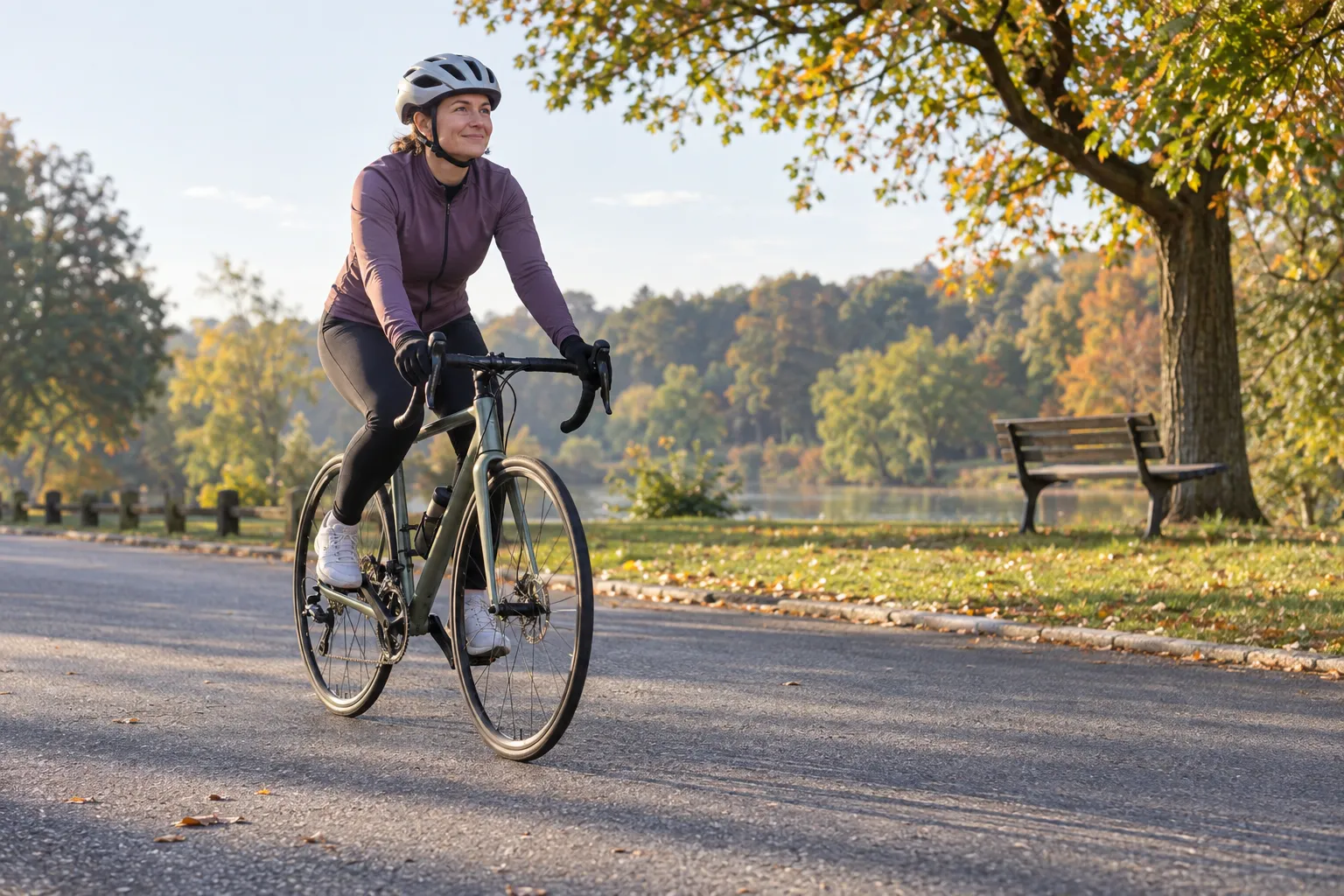
First identify why you stopped
A holiday, winter pause, broken bicycle, loss of routine, injury, and viral illness are not interchangeable.
- After an ordinary schedule break while otherwise well, a conservative self-directed return may be reasonable.
- After an injury, use the return criteria from the clinician treating it rather than a generic cycling plan.
- During acute illness or fever, do not use training to test whether you are recovered.
- With persistent fatigue, chest symptoms, palpitations, dizziness, or breathlessness, seek medical advice before progressing.
NHS guidance consistently recommends restarting slowly after a break and building gradually. Long COVID and other post-viral conditions need particular caution because symptoms can worsen after exertion; a standard fitness rebuild is not an appropriate substitute for individual care.
Check the bicycle before checking your fitness
A bike that sat unused can lose tyre pressure, develop corrosion, collect drivetrain contamination, or hide a weak battery. Before the first ride:
- Inflate the tyres with a gauge and inspect the tread and sidewalls.
- Check that both wheels are correctly secured and spin freely.
- Test both brakes while stationary.
- Shift through the gears in a safe setting.
- Check the chain, controls, lights, and any electronic-shifting batteries.
- Look for leaks, loose contact points, cracks, or damage from storage.
Use the complete bike-after-storage safety check if the bicycle has been untouched for months.
Design a deliberately easy first ride
Choose a flat, familiar loop with frequent ways to shorten it. Ride in daylight and mild conditions if possible. Carry a phone or rescue option and the repair equipment you actually know how to use.
Keep the effort conversational: you should be able to speak in comfortable sentences. Avoid the favourite climb, fast group, personal record, or long one-way route. The aim is to observe:
- breathing and perceived effort;
- comfort at hands, neck, back, saddle, knees, and feet;
- bike handling and confidence;
- fuelling and hydration habits;
- how you feel several hours later and the following morning.
Old speed is not the pass mark. Wind and fitness both change, and the first ride cannot separate them cleanly.
Rebuild one variable at a time
Training load rises through duration, frequency, intensity, terrain, and external stress. Changing all five at once makes a setback hard to interpret.
A cautious general sequence is:
- Frequency: establish a repeatable pattern of easy rides with rest between them.
- Duration: extend one ride modestly while the others remain easy and familiar.
- Terrain: add hills or more demanding surfaces after handling and recovery feel normal.
- Intensity: add planned harder work last, in small doses, only when easy riding is genuinely easy.
There is no universal weekly percentage that fits every rider and absence. “Ten percent” can be too much after illness and unnecessarily little after a short holiday. Make the next change only when the current level is manageable during the ride and recovery remains normal afterward.
Use a two-week orientation, not a comeback test
For the first two weeks, log time rather than chasing kilometres. Write one line after each ride: duration, overall effort from 0–10, any pain or unusual symptom, and next-day readiness.
An example structure for a healthy rider returning from a routine break is two or three easy rides separated by rest or gentle activity. Keep each one short enough to finish in control. In week two, repeat the structure and extend only one ride if week one caused no concerning symptoms or lasting fatigue.
This is an observation period, not a promise that everyone should progress after fourteen days. If the same easy ride becomes harder, hold or step back and investigate sleep, illness, stress, heat, fuelling, bike fit, or health.
Expect contact-point adaptation too
Your cardiovascular fitness may return faster than saddle, neck, hand, or foot comfort. A position that was tolerable months ago may also have changed because your mobility, equipment, or body changed.
Normal mild sit-bone tenderness after a short first ride should improve rather than intensify. Numbness, sharp pain, joint pain, or rapidly worsening discomfort is not something to train through. Review soreness versus pain on a new bike and make only one fit change at a time.
Avoid four common comeback mistakes
Replaying your old route at your old speed
Memory preserves best days, not headwinds and tired ones. Use perceived effort and control, not an old average.
Adding distance because the first ride felt good
The ride is only half the evidence. Check later symptoms and next-day recovery before progressing.
Joining the fast group immediately
A group can turn a planned easy ride into repeated accelerations and social pressure. Start alone or with a trusted companion willing to ride your plan.
Trying to lose weight and regain fitness simultaneously
Aggressive restriction can make recovery, fuelling, and training consistency harder. Eat and drink for the ride you are doing. See what to eat and drink on beginner rides.
Know when to pause and get help
Stop the ride and seek appropriate medical assessment for chest pressure, fainting, severe or unexplained breathlessness, a pounding or irregular heartbeat, or new neurological symptoms. Persistent joint pain, swelling, weakness, or symptoms that worsen with each ride also deserve qualified evaluation.
For ordinary fatigue without red flags, reduce the next ride or take more recovery. A missed session does not create a debt.
Your next step
Plan a short familiar loop with two early exits. Perform the pre-ride check, ride at conversational effort, and record how you feel immediately and the next morning. Repeat before adding distance. When easy consistency is back, use the beginner training-plan guide to build a durable week.
Sources and further reading
- University Hospitals Sussex NHS Foundation Trust: restart slowly after a break and stop for warning symptoms
- Newcastle Hospitals NHS Foundation Trust: exercise safety and acute illness
- NHS: long COVID symptoms and caution around exercise
- r/cycling reader context: returning after a six-month break
- r/cycling reader context: training plans disrupted by time away and mechanical problems
Reddit discussions were used to identify the question, not as medical or training evidence. No usernames or personal stories are reproduced here.