Do you need energy gels for a one-hour ride?
Most beginner one-hour road rides do not need energy gels; use water, an ordinary snack if needed, and save gels for convenience on longer or harder efforts.
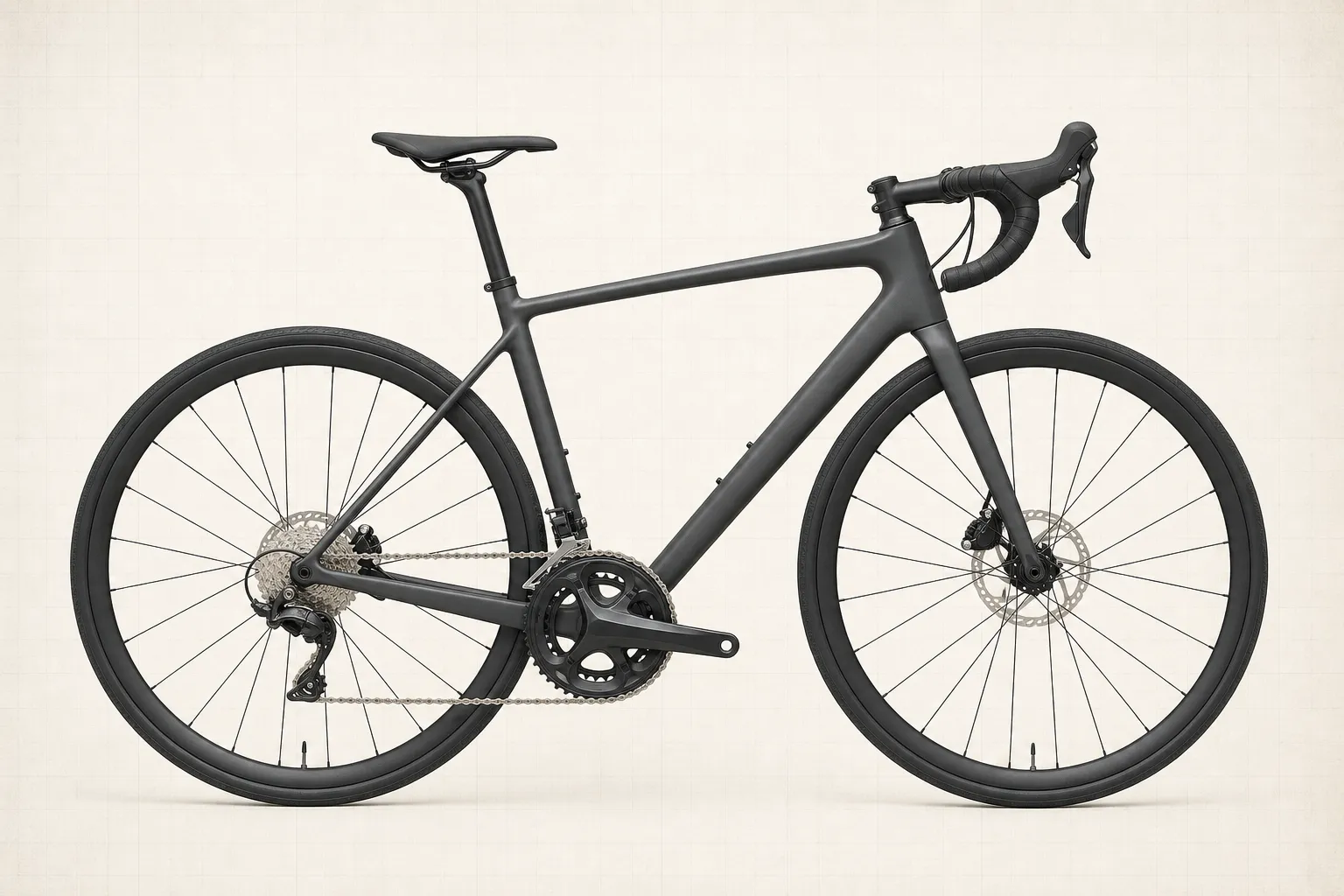 Field guide / do-you-need-energy-gels-for-one-hour-ride
Most beginner one-hour road rides do not need an energy gel. If you ate normally, start hydrated, and ride at an easy or moderate pace, water and an ordinary snack before or after the ride are usually enough. A gel is useful when convenience matters, the ride becomes harder or longer than planned, or you want to practise race-style fueling before you actually need it.
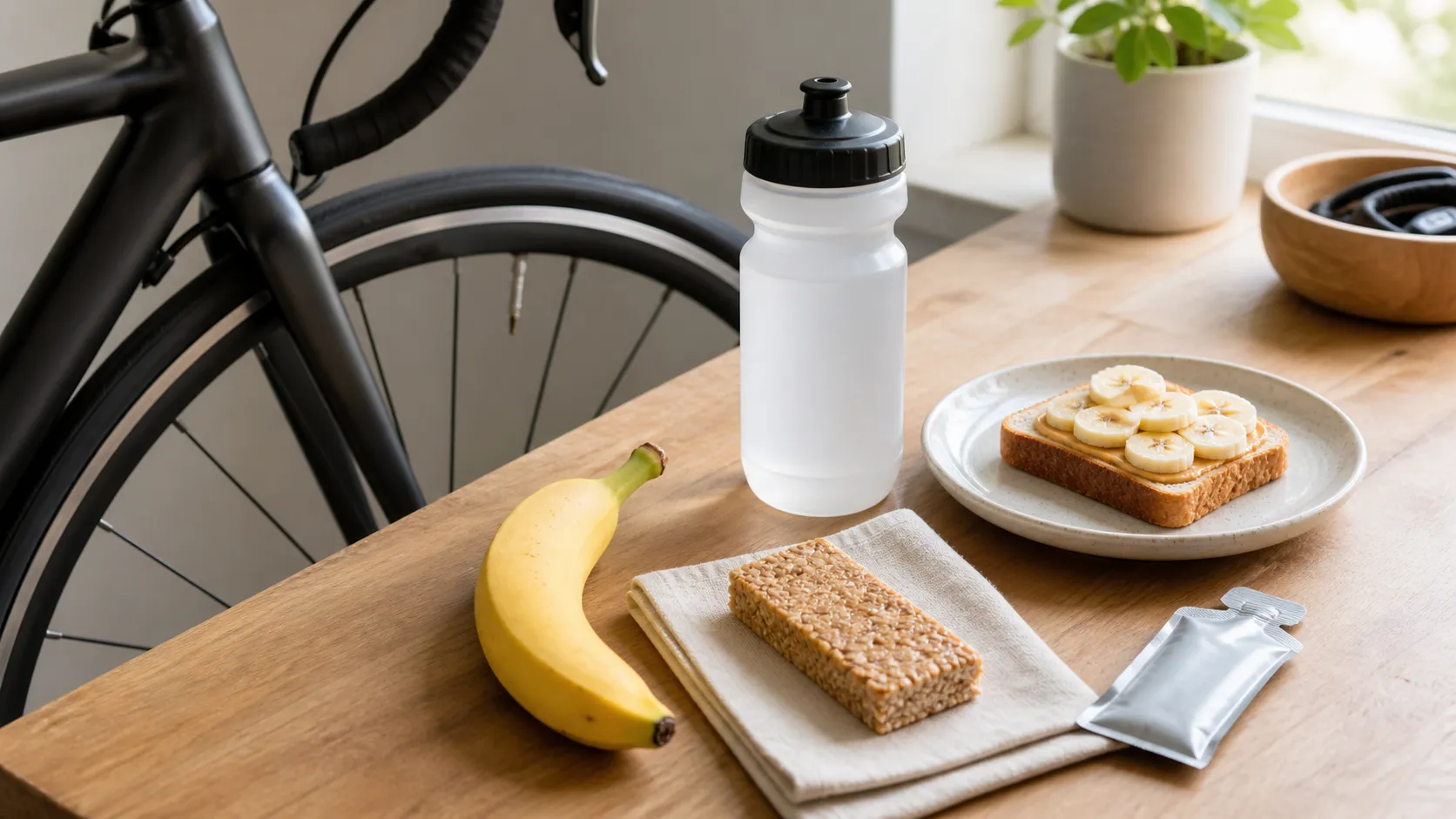
The short answer: for a normal one-hour beginner ride, do not buy gels because you think real cyclists must use them. Bring water. Eat a banana, toast, cereal bar, or other familiar carbohydrate-rich snack if you are hungry, riding early, or pushing the pace. Save gels for longer rides, harder efforts, or backup.
Why beginners ask this
Recent cycling-community questions show two kinds of worry. One beginner asked directly about energy gels for a beginner. Another rider asked how early-morning cyclists handle food before dawn rides. A third thread was not about performance at all; it was about making a mess with gels while riding.
That is the real beginner problem: not “which elite fuel protocol should I copy?” but “will I run out of energy, upset my stomach, or look unprepared if I just ride for an hour?”
For a short recreational ride, the calm answer is that your normal eating pattern matters more than the packet in your pocket.
What a gel actually does
An energy gel is a small, portable carbohydrate source. It is not magic, and it is not a fitness badge. The British Dietetic Association lists carbohydrate gels alongside ordinary foods such as bananas, bread, cereal bars, pasta, rice, and sports drinks as ways to get carbohydrate. Its examples put two carbohydrate gels in the same rough carbohydrate range as two medium-large bananas or two oat-based cereal bars.
That makes gels convenient, especially when chewing is awkward or you need easy-to-carry fuel. It does not make them necessary for every ride.
For general fitness, the same BDA guidance says carbohydrate needs can usually be met by a normal healthy diet. It also says carbohydrate during exercise can help performance when exercise is hard and lasts longer than an hour. That distinction is useful: a gentle 50-minute spin and a hard 75-minute training session are not the same fueling problem.
Use this one-hour decision
For most beginner rides around an hour:
- Easy ride after a normal meal: take water; skip the gel.
- Early ride with no breakfast: have a small familiar snack first if you tolerate it, or carry one.
- Hard ride, hills, or group pace: bring quick carbohydrate, which can be a gel, chews, sports drink, banana, or cereal bar.
- Ride might become 90 minutes or more: carry a backup snack before you need it.
- You are practising for an event: try the gel on an easy ride first, not on event day.
This also pairs with the bigger beginner question in how far should a beginner cyclist ride?. If the ride distance is still new, keep the food plan boring and familiar so you are not testing route, traffic, pacing, bike handling, and digestion all at once.
Water first, sports drink only when it solves something
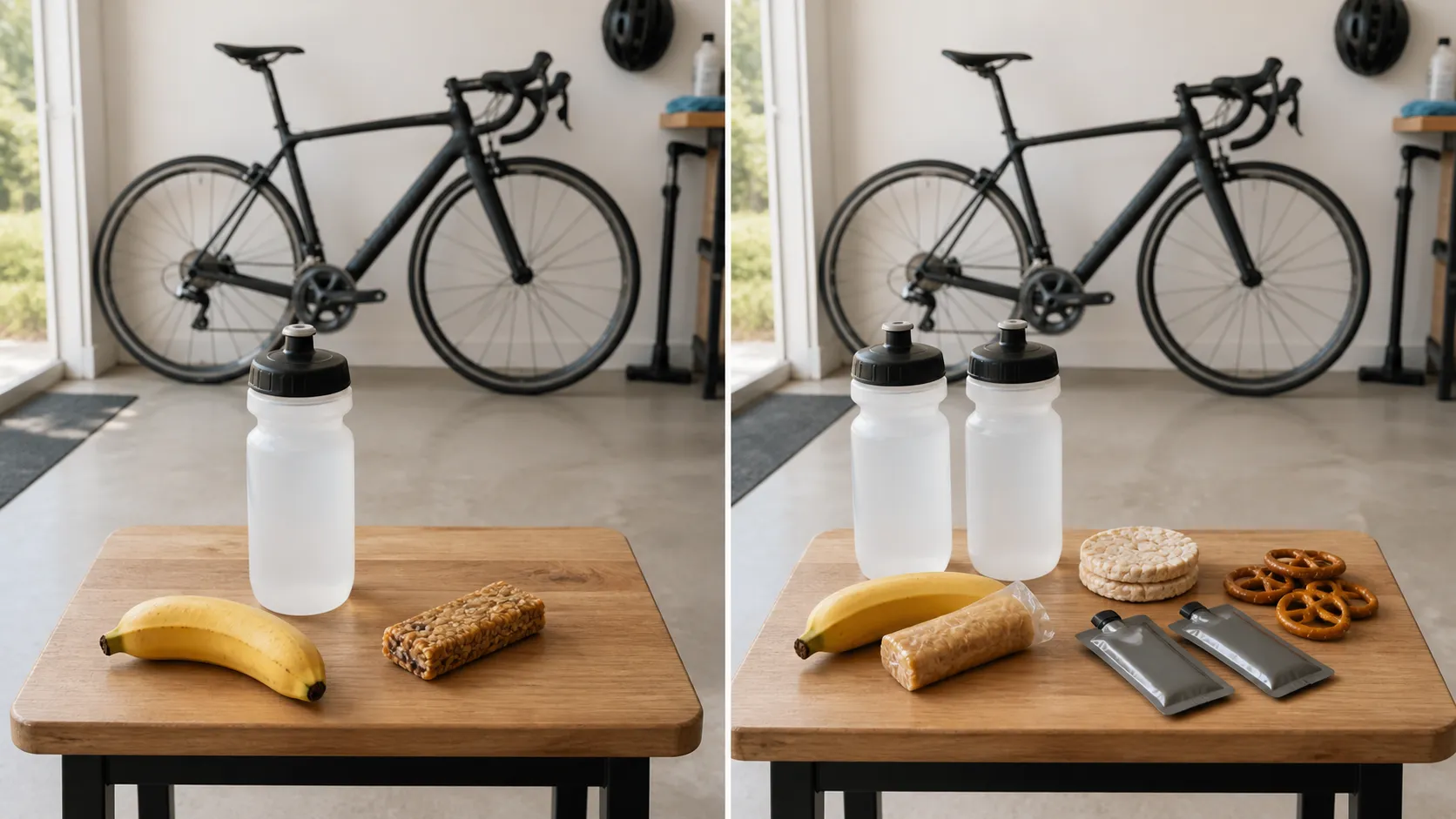
For a one-hour beginner ride, water is usually the simplest bottle choice. The British Nutrition Foundation notes that sports drinks contain carbohydrate and sodium and may help endurance performance and recovery over longer duration exercise, but also points out that they contain sugars and are most suitable when endurance demand or sweat loss is high.
So do not turn a one-hour ride into a cupboard of powders unless there is a reason: heat, heavy sweating, a harder session, poor pre-ride eating, or a ride likely to run longer than planned.
Energy drinks are a separate thing. The same British Nutrition Foundation page says energy drinks are not designed to replace electrolytes lost in sweat and may contain stimulant ingredients such as caffeine. If you use caffeinated gels, drinks, or tablets, count them toward your day. The FDA says 400 mg of caffeine per day is not generally associated with negative effects for most adults, but sensitivity varies and people who are pregnant, trying to become pregnant, breastfeeding, taking certain medications, or concerned about a condition should ask a health care provider.
How to try a gel without making it weird
If you want to learn whether gels suit you, treat the first one like equipment practice.
- Pick an easy ride, not your longest ride.
- Read the packet at home so you know whether it contains caffeine.
- Bring water, because thick sweet foods can feel rough without it.
- Stop somewhere safe before opening it.
- Pack the wrapper out; sticky litter is still litter.
- Notice your stomach, not just your legs.
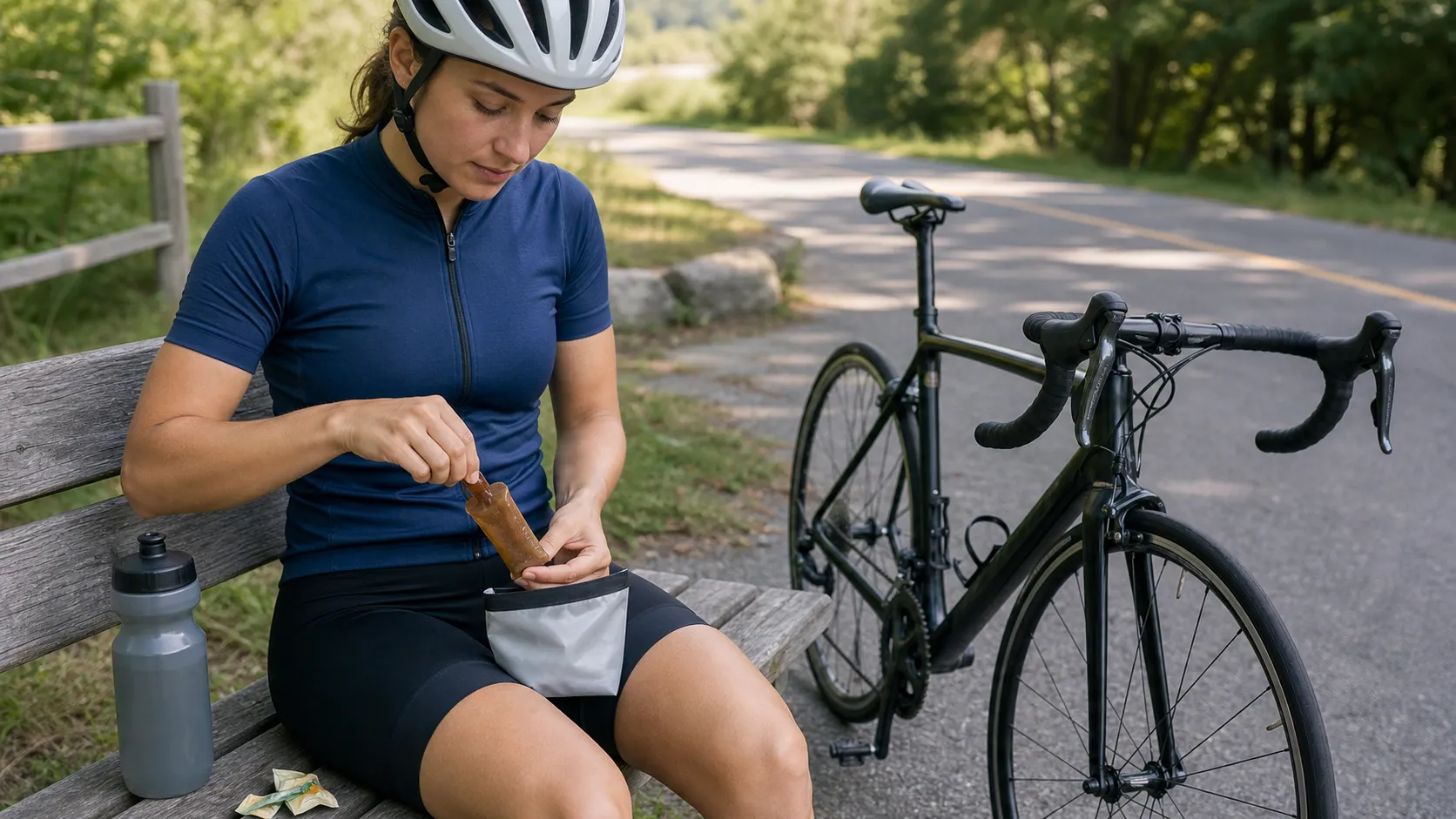
If opening a gel while riding feels messy or distracting, stop. A beginner does not lose points for eating at a bench. You are building reliable habits, not performing for an imaginary feed-zone camera.
The health boundary
Some riders need more specific guidance than “bring a snack.” The American Diabetes Association says people with type 1 diabetes may need carbohydrate before activity when blood glucose is low, especially after recent insulin or for exercise longer than 30 minutes, and should consult a doctor if lows repeat during or after exercise.
That is exactly why this post should not be used as a medical plan. If blood sugar, medication, pregnancy, stomach symptoms, or eating history changes the question, get qualified help. Gels are just carbohydrate packets; they are not a substitute for personal medical advice.
One focused next action
For your next one-hour ride, choose the simplest plan that matches the ride: water only if you ate normally and are riding easy, a familiar snack if you are hungry or starting early, and one backup carbohydrate if the route might grow. Then stop judging the ride by its products. Judge it by whether you came home comfortable, steady, and ready to ride again.
If speed pressure is what pushed you toward gels, read average speed is a poor beginner scoreboard. If the ride might run long because the route is vague, start with how to plan your first road cycling route.
Sources and further reading
- British Dietetic Association: sport and exercise nutrition
- British Nutrition Foundation: sport and exercise
- FDA: how much caffeine is too much?
- American Diabetes Association: exercise and type 1 diabetes
- r/cycling reader context: energy gels for beginners
- r/cycling reader context: early-morning ride nutrition
- r/cycling reader context: struggling with gels while riding