Shift before the hill, not during the struggle
Learn the simple shifting habit that makes beginner climbs calmer: choose an easier gear before the road gets steep, then soft-pedal if you still need one more click.
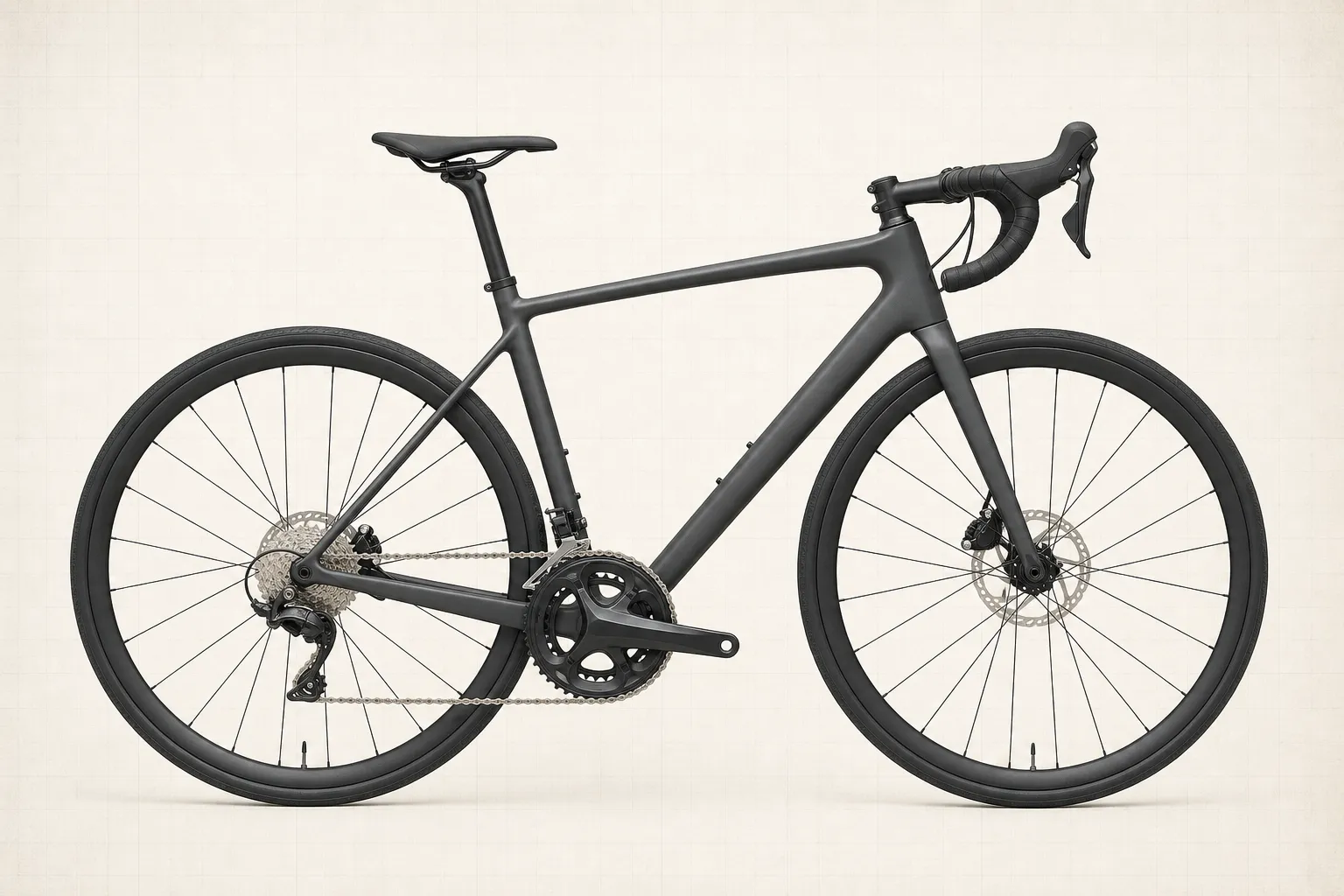 Field guide / shift-before-the-hill-not-during-the-struggle
Before you buy
Check the starter kit first
Print the one-page buying brief for helmet, lights, water, phone, and repair compatibility before comparing upgrades.
The best time to choose an easier climbing gear is before the hill makes your legs slow down. Shift while you still have momentum, keep the pedals turning lightly, and treat the first steep metres as confirmation rather than a panic search for gears.
The short answer: look ahead, shift to an easier gear on the approach, and ease pedal pressure for a moment as the chain moves. If you wait until you are grinding halfway up the hill, the shift is noisier, slower, and more likely to unsettle you.
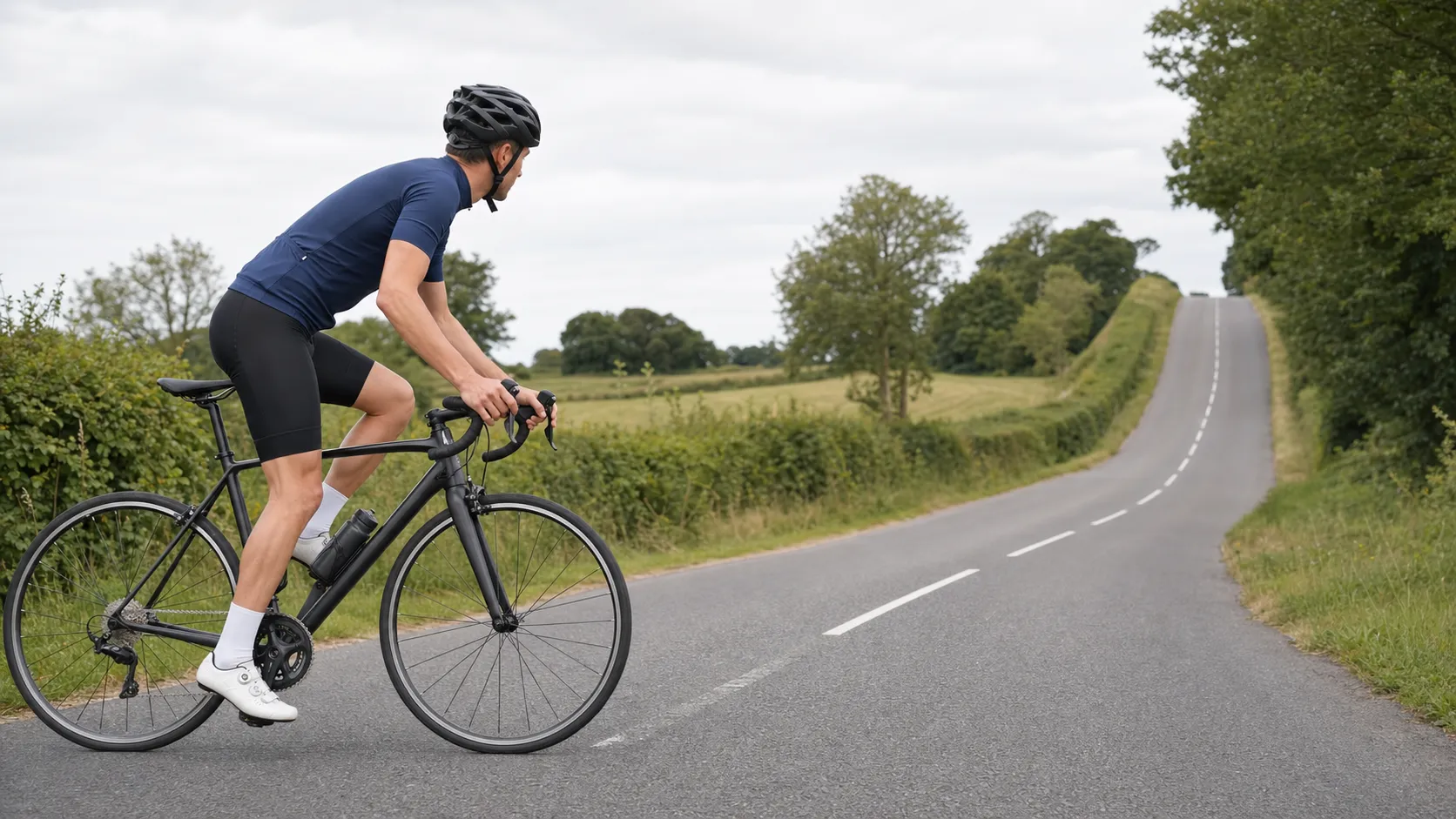
The hill starts before the hill
Beginners often think the climb begins where the road visibly tilts up. For shifting, it begins a few seconds earlier.
That small head start matters because a derailleur shift needs the chain to move across the cassette or chainrings while the cranks are turning. Shimano’s drop-bar manual puts the basic rule plainly: when a bicycle uses a rear derailleur, shift while pedalling. The mistake is not pedalling during the shift. The mistake is trying to move the chain while you are also forcing the pedals as hard as you can.
A simple routine works on most ordinary road bikes:
- Look 5 to 10 seconds ahead for a rise, stop, corner, or surface change.
- Click one or two easier rear gears while the road is still manageable.
- If the hill looks steeper, shift the front chainring earlier rather than waiting until cadence collapses.
- Keep pedalling smoothly, but soften your leg pressure for the half-second when the chain moves.
- Settle into the climb at a pace you can keep repeating.
This is not about proving you can climb fast. It is about arriving at the hard part with options.
Soft-pedal, do not coast
Soft-pedalling means the pedals keep turning, but your legs briefly stop stomping. The chain still has movement, so the derailleur can guide it. The load drops enough that the shift usually feels cleaner.
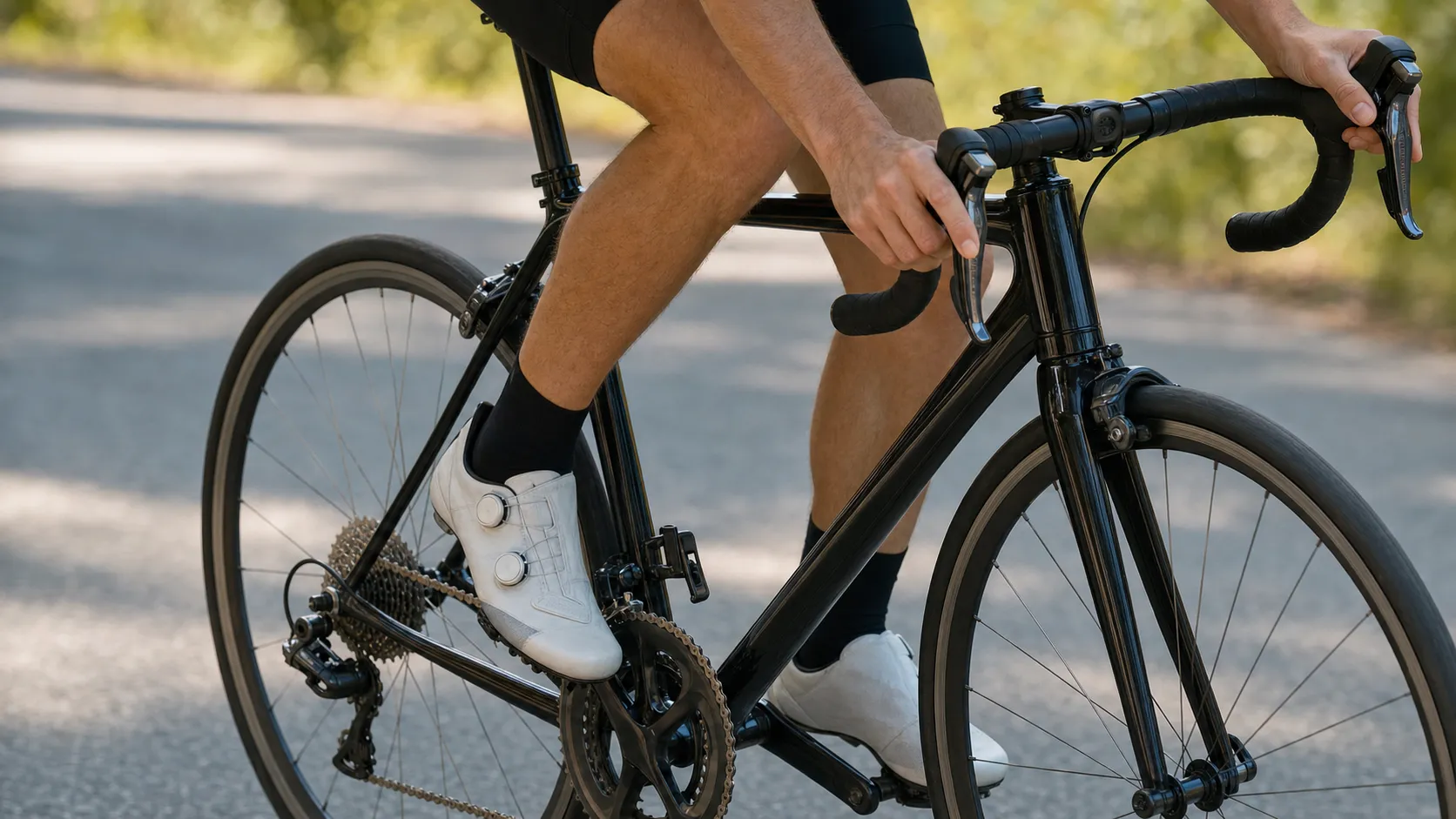
Do not stop pedalling completely unless your specific system is designed for it. Most derailleur bikes cannot shift usefully while stationary because the chain is not moving through the gears. That is why an easier gear before the hill, before a traffic light, or before a tight turn is so valuable.
Some modern drivetrains are better at shifting under power than older or simpler systems. SRAM, for example, says its Eagle Transmission is designed to shift under full load. That does not change the beginner habit. If you are learning road-bike control, early and smooth beats late and dramatic.
What if you are already on the hill?
You can still shift on a climb. Make it boring; REI’s beginner gear guide gives the same practical pattern of anticipating the terrain, shifting one gear at a time on a hill, and briefly relaxing pedal pressure:
- Shift one rear gear at a time.
- Stay seated if that helps you keep pressure steady.
- Ease your leg force as you click.
- Give the chain a moment to settle before the next shift.
- If the bike bangs, skips, or refuses the shift, stop forcing it.
Noise is feedback. A small click during a shift can be normal; repeated grinding, skipping under load, or a chain that will not settle deserves inspection. Shimano’s rear-derailleur service information says unsmooth shifting, damaged chains, skipping, and abnormal shifting are reasons to check adjustment, lubrication, derailleur alignment, or get help from a shop.
Use the same habit before stops
The same idea helps at junctions. If you roll to a stop in a huge gear, the restart can feel awkward: one foot pushes down, the bike barely moves, and you have less attention available for traffic and balance.
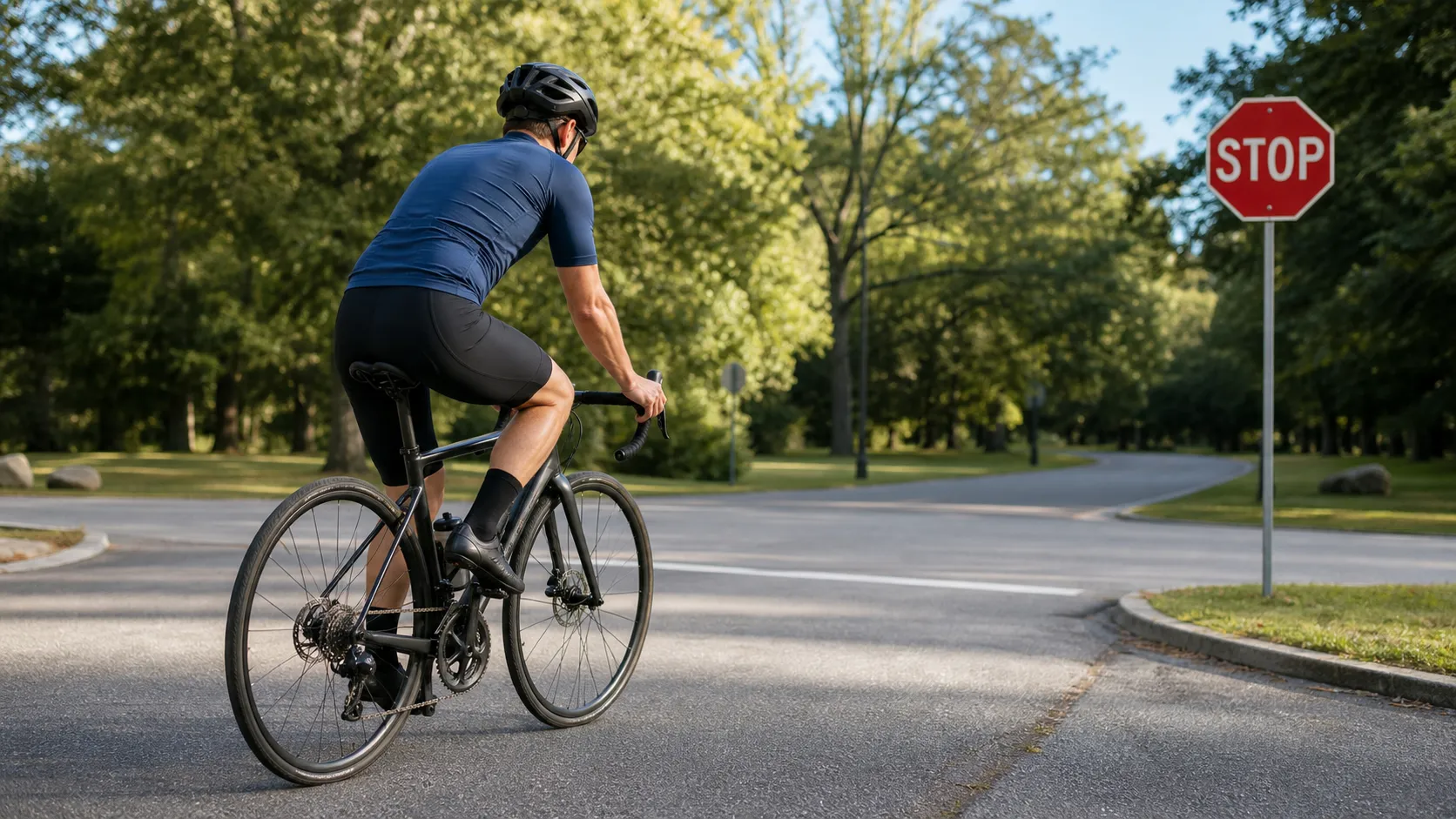
As you slow for a stop, click into a gear that lets you start again without standing on the pedals. You do not need a perfect gear. You just need one that lets the first pedal stroke move the bike smoothly.
A ten-minute practice drill
Find a quiet road or paved path with a gentle rise.
Ride toward the rise three times. The first time, shift earlier than feels necessary. The second time, wait a little too long and notice how much heavier the pedals feel. The third time, choose the early shift again and add a soft-pedal moment during the click.
Then repeat the habit before a planned stop: shift down while rolling, stop, restart, and notice how much calmer the first pedal stroke feels.
For the full control picture, including front and rear shifters, cross-chaining, and gear-range basics, read how to use road bike gears. If the part names are still fuzzy, start with road bike anatomy for beginners.