The prettiest route is not always the best first route
Choose a beginner road-cycling route by traffic, junctions, surface, exits, and attention left over before chasing the most scenic line on the map.
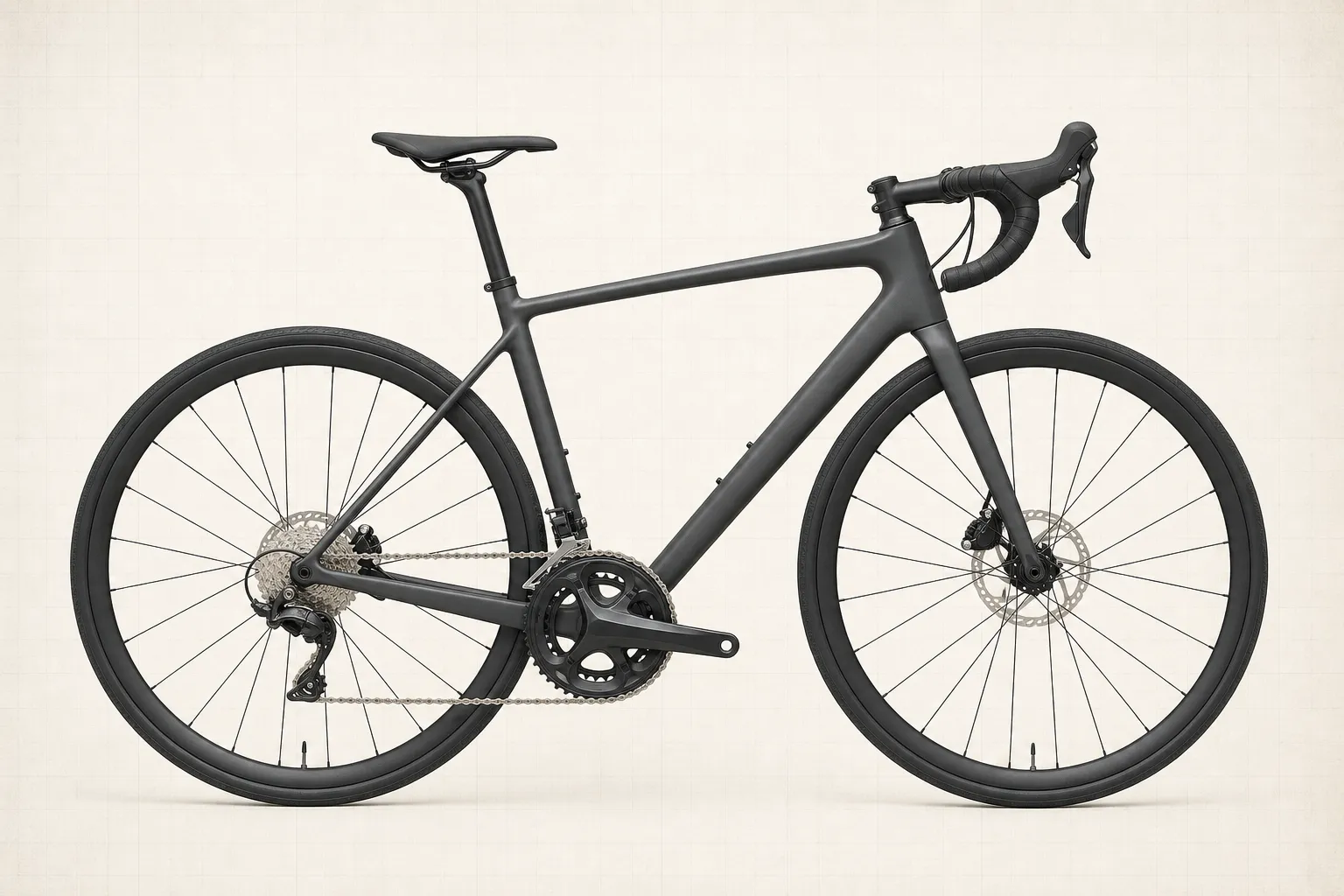 Field guide / prettiest-route-not-best-first-route
The prettiest road is a bonus, not the first filter. For a beginner road cyclist, the best first route is the one that leaves the most attention for riding the bike well: traffic, braking, shifting, road surface, weather, and getting home.
The short answer: choose the calm route before the scenic route. If the beautiful option adds fast traffic, awkward junctions, steep descents, rough shoulders, no bailout, or constant navigation checks, save it for later and ride the plainer route that is easier to understand.
Why this comes up so often
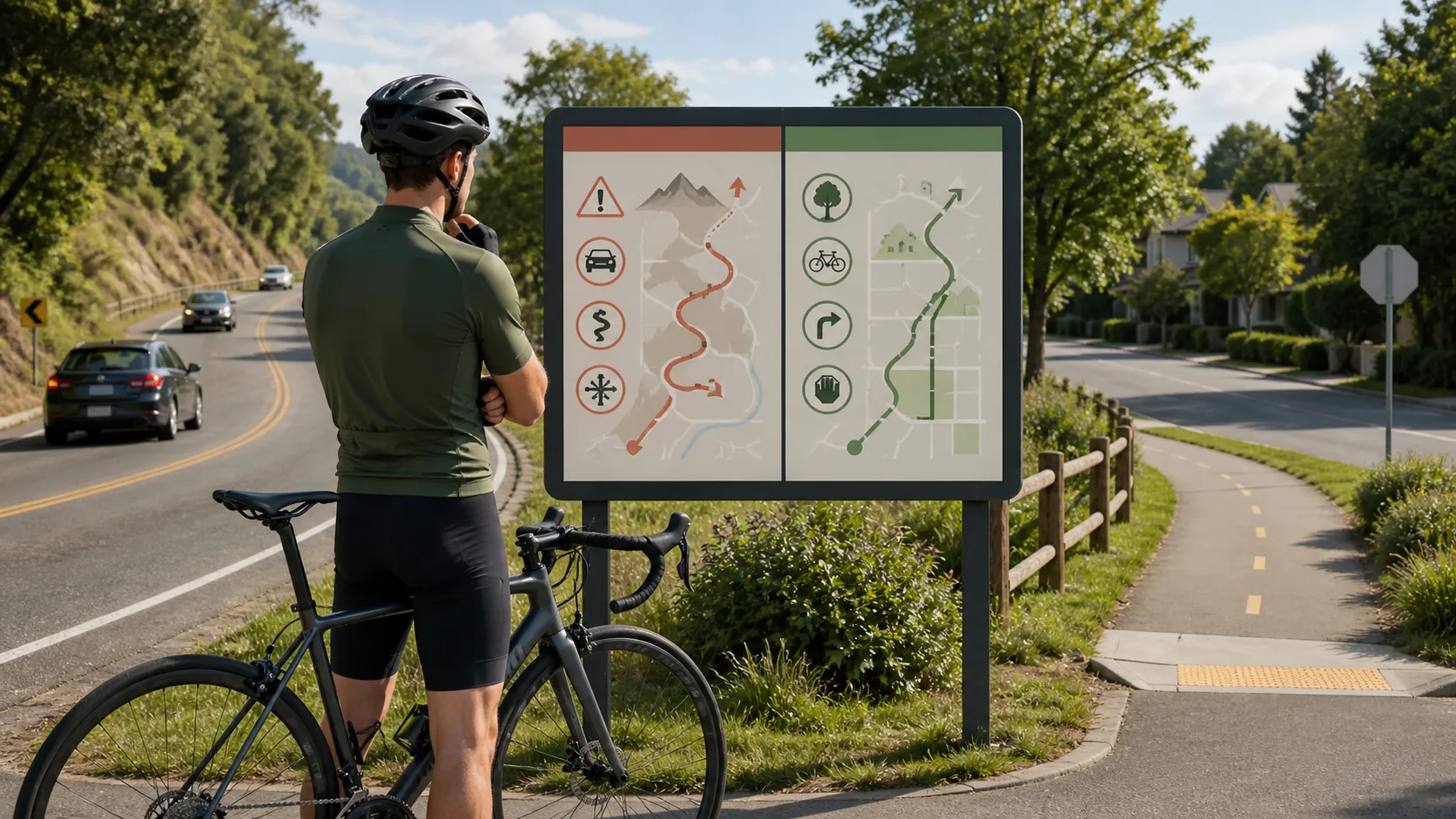
Fresh community questions around route choice rarely ask only for scenery. They ask how to find routes that feel good on the road. One recent r/cycling thread about finding good routes when traveling pushed past generic destination lists and toward bike-suitable routes from clubs, shops, and planning tools. Another recent thread from a rider who said road riding had not been enjoyable turned into practical advice about avoiding busy roads, choosing quieter areas, and even starting from a calmer place by car or transit. A newer rider asking whether there was an app to find routes got app suggestions, but also warnings that route tools can still choose the wrong surface or ride type.
That language is useful. Beginners are not being fussy when they reject a beautiful road that feels tense. They are noticing that scenery does not cancel out traffic speed, junction complexity, poor sight lines, wind, loose gravel, or a route that is hard to shorten.
Use beauty as the tiebreaker
Start with safety and workload filters. Add scenery only after the route has passed them.
NHTSA bicycle safety guidance tells cyclists planning an on-road route to choose less traffic and slower speeds, and says the safest route may be away from traffic in a bike lane or bike path. That does not mean every pretty rural lane is bad or every urban bike lane is perfect. It means traffic exposure is a primary route question, not a detail to justify after you have fallen in love with the view.
Use this order:
- Legality and access: are you allowed to ride there, and is the road or path appropriate for your bike?
- Traffic speed and volume: will drivers have enough time, space, and visibility around you?
- Junctions: can you make the hard turns without rushed lane changes or guessing?
- Surface: is it paved, visible, and ordinary enough for your current handling?
- Gradient and wind: can you climb, descend, and return without turning the ride into a survival test?
- Exit: can you stop, turn back, shorten, refill, get transit, or call for pickup?
- Scenery: does it make an already suitable route more enjoyable?
If the route fails one of the first six, the view is not the deciding factor yet.
Watch for scenic traps
A scenic route can hide extra jobs. The mistake is not wanting a nice ride. The mistake is treating “nice to look at” as the same thing as “good to learn on.”
Fast roads with good views
A ridge road, coastal road, river road, or open country road may look peaceful on a map. It can still have high vehicle speeds, narrow lanes, limited shoulders, blind crests, gusty wind, tourist traffic, or no easy place to stop.
FHWA’s Safe System primer for pedestrians and bicyclists explains why speed matters: lower operating speeds give drivers more time to detect and avoid pedestrians and bicyclists, while higher speeds increase crash forces. For a beginner route, that supports a simple practical rule: do not trade a calmer low-speed option for a prettier high-speed one unless you already know the road fits your skill and local rules.
Pretty streets with awkward turns
One complicated junction can make a short route feel harder than a longer quiet loop.
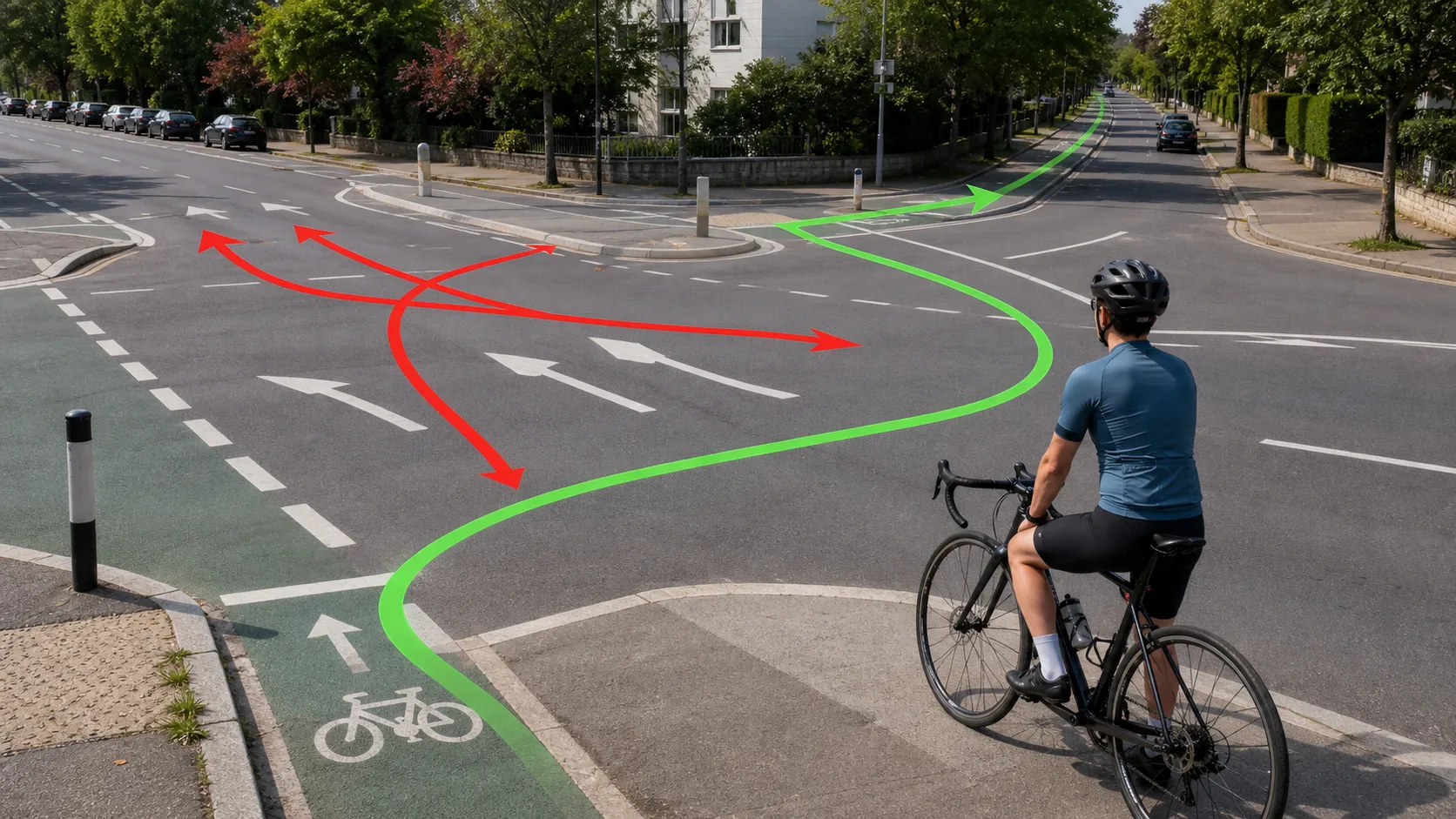
British Cycling’s route-planning advice warns that roads with many junctions and traffic lights can make riding harder to manage, and it also tells newer riders to consider shorter loops or simple out-and-back rides while learning their pace. For SIKLIST readers, the beginner translation is: count stressful decisions, not just miles.
Remote roads with no graceful exit
Quiet and beautiful can become stressful if the route is isolated, has no water, no shade, no phone signal, no transit, and no simple way to shorten the ride. That matters even more in heat, wind, fading daylight, or uncertain fitness.
Adventure Cycling Association’s route-planning guidance tells riders to factor in traffic, elevation, water and services, road condition, shoulder width, navigation tools, and daily distance. A beginner does not need a touring-level plan for a local ride, but the same categories reveal whether a scenic route has a hidden cost.
The beginner route test
Before you choose the pretty option, ask these questions:
| Question | Good answer | Warning sign |
|---|---|---|
| Can I describe the route without staring at a screen? | One loop, out-and-back, or destination and return | Constant small turns |
| What is the fastest traffic section? | Low speed, separated, familiar, or easy to avoid | Fast road because it has the best view |
| What is the hardest junction? | Simple, visible, and unrushed | Multi-lane, blind, or unfamiliar |
| What is the roughest surface? | Normal dry pavement | Gravel, potholes, wet leaves, sand, metal covers, or rough shoulder |
| What is the steepest descent? | Short, visible, and within your braking confidence | Fast downhill into a bend or junction |
| Where can I change the plan? | Safe stop, turnaround, shortcut, refill, transit, or pickup | No graceful exit |
Mostly good answers? Enjoy the scenery. Two warning signs? Simplify the route. One serious warning sign, such as fast traffic you already dread or a descent you are not ready to control, is enough reason to choose another ride.
Build scenery in gradually
You do not have to abandon beautiful roads forever. Add them like any other skill: one new demand at a time.
Try this progression:
- Ride the calm version once.
- Repeat it and notice which part used the most attention.
- Add one scenic section while keeping the rest familiar.
- Ride at a quiet time of day if traffic changes a lot.
- Turn back before the scenic section if wind, weather, daylight, or handling feels worse than expected.
That approach pairs well with why your first route should feel almost too short and the fuller workflow in how to plan your first road cycling route. Once route choice feels calmer, tomorrow’s bigger question becomes which apps and local sources help you find reliable options without trusting any one map blindly.
One focused next action
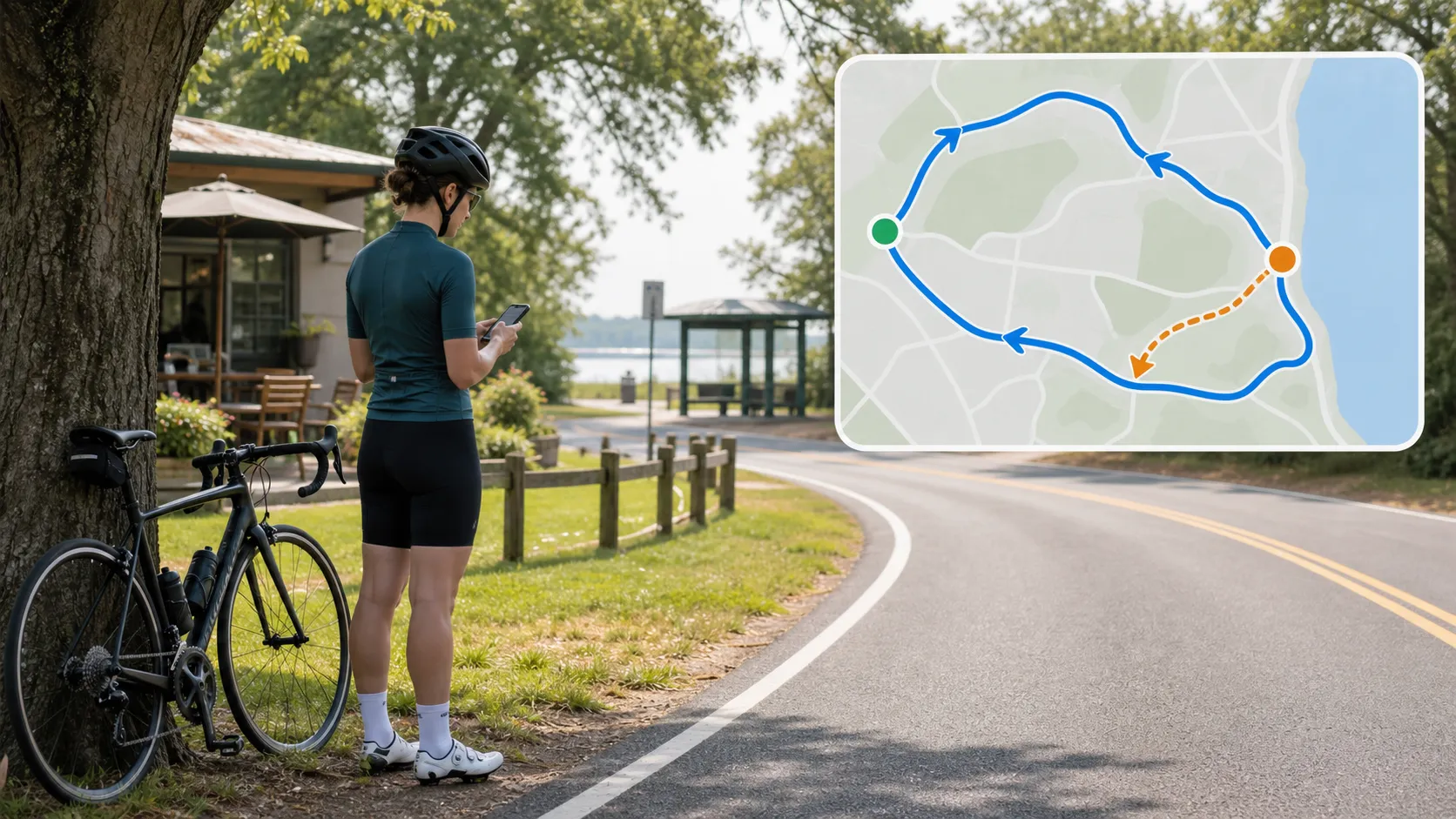
For your next route, pick two options: the scenic one and the calmer one. Run both through traffic, junctions, surface, descent, and exit questions before looking at distance or views. If the calmer route wins, ride it proudly. The view you come home with is confidence.
Sources and further reading
- NHTSA: bicycle safety
- FHWA: Safe System approach for pedestrians and bicyclists
- British Cycling: planning a cycling training route
- Adventure Cycling Association: how to create your own touring route
- r/cycling reader context: finding good routes when traveling
- r/cycling reader context: road riding has not been enjoyable
- r/cycling reader context: new to biking and looking for route apps