One foot hurts in cycling shoes after 10 minutes: what should you change first?
Stop the painful test, separate shoe pressure from cleat and bike setup, compare both feet, and know when recurring one-sided foot symptoms need clinical assessment.
 Field guide / one-sided-foot-pain-cycling-shoes
Pain in only one cycling shoe that starts predictably after ten minutes is useful evidence, but it does not identify one cause. Feet are often different sizes and shapes. Shoe closure, sock folds, footbeds, cleat position, pedal stance, saddle setup, and a health condition can all produce a one-sided pattern.
The short answer: stop the session when the pain begins. On the next short test, loosen the affected shoe before riding and compare foot position, sock, insole, and closure with the comfortable side. Test the same bike in roomy shoes on flat pedals if practical. Do not add wedges, move several fit coordinates, or keep riding into severe pain without qualified assessment.
Pain that disappears after removing the shoe still matters
Rapid relief can suggest that pressure or a fixed cycling position contributes, but it does not prove the shoe is the only cause. A shoe can expose a problem that running or walking does not because cycling holds the foot against a stiff sole and a small pedal interface for many repeated strokes.
Record:
- exact location using a foot diagram;
- pain quality: pressure, burning, stabbing, ache, cramp, or pins and needles;
- onset time and whether harder effort brings it earlier;
- whether loosening the closure changes it during the ride;
- how long symptoms last after stopping;
- swelling, redness, heat, colour change, numbness, or weakness;
- indoor versus outdoor pattern;
- shoe, sock, insole, cleat, and pedal details;
- recent training, footwear, injury, or fit changes.
Do not diagnose yourself from pain location alone. The NHS advises medical review for recurring foot pain, tingling, or loss of sensation, and urgent assessment for severe, sudden, hot, red, or unexplained one-sided swelling patterns.
Start with a left-versus-right comparison
Measure both feet late in the day while standing, including length and width. Inspect the shoes with the footbeds removed.
Compare:
- forefoot width and toe space;
- closure tension at each dial, strap, or lace zone;
- insole size and whether its edge curls upward;
- arch-support position and height;
- sock seams or doubled fabric;
- any object, label, or fastener protruding inside;
- cleat bolt length or pressure under the footbed;
- wear marks under and inside each shoe;
- cleat fore-aft, lateral, and rotational position.
“Same shoe size” and symmetrical cleat marks do not guarantee symmetrical pressure. One foot may be longer, wider, higher-volume, or naturally angled differently.
Run the lowest-risk tests first
1. Reduce closure pressure
Begin with the affected shoe noticeably looser over the painful area while still secure enough for control. Feet can change volume during exercise. Do not crank the shoe tighter to stop heel movement if the result compresses the forefoot.
If loosening changes the onset, you have useful evidence for a shoe-volume or closure problem. It does not justify riding through the remaining pain.
2. Remove avoidable in-shoe variables
Try a thin, smooth sock. Reseat the footbed. If you added an aftermarket high-arch insole, compare it with the original only if doing so is comfortable and does not conflict with clinical advice. More arch support is not automatically better.
3. Compare with a roomy flat-pedal setup
If the bicycle can be used safely with flat pedals, repeat a short, easy session in comfortable athletic shoes. Keep duration and effort similar. A symptom that disappears may implicate the cycling shoe, cleat, or fixed stance; a symptom that remains broadens the investigation.
Do not conduct this experiment in traffic if you are unfamiliar with the pedals or shoes.
4. Reduce training load during testing
Use an easy gear and short duration. Do not test a fit change with intervals or a long ride. End the test at the first repeatable symptom, write down the result, and recover before the next change.
Treat cleat changes as controlled fit work
Cleat position can affect where pressure is supported, but forum advice to add wedges, widen stance, rotate a cleat, or change saddle height is not a diagnosis. Those changes also affect the knee, hip, and release path.
Before moving a cleat:
- mark its full outline;
- photograph both shoes;
- record bolt torque and hardware;
- choose only one small change;
- preserve natural release and frame clearance;
- test away from traffic.
A conservative rearward cleat move within the maker’s range can change forefoot loading for some riders, but it also changes the relationship to saddle height. Use the first-cleat setup guide and involve a qualified fitter when the symptom is severe or recurrent.
Do not stack wedges by trial and error to chase a painful sensation. Wedges, shims, pedal spacers, and stance changes need a reasoned assessment of the complete leg and pedal system.
Check the bicycle only after the shoe basics
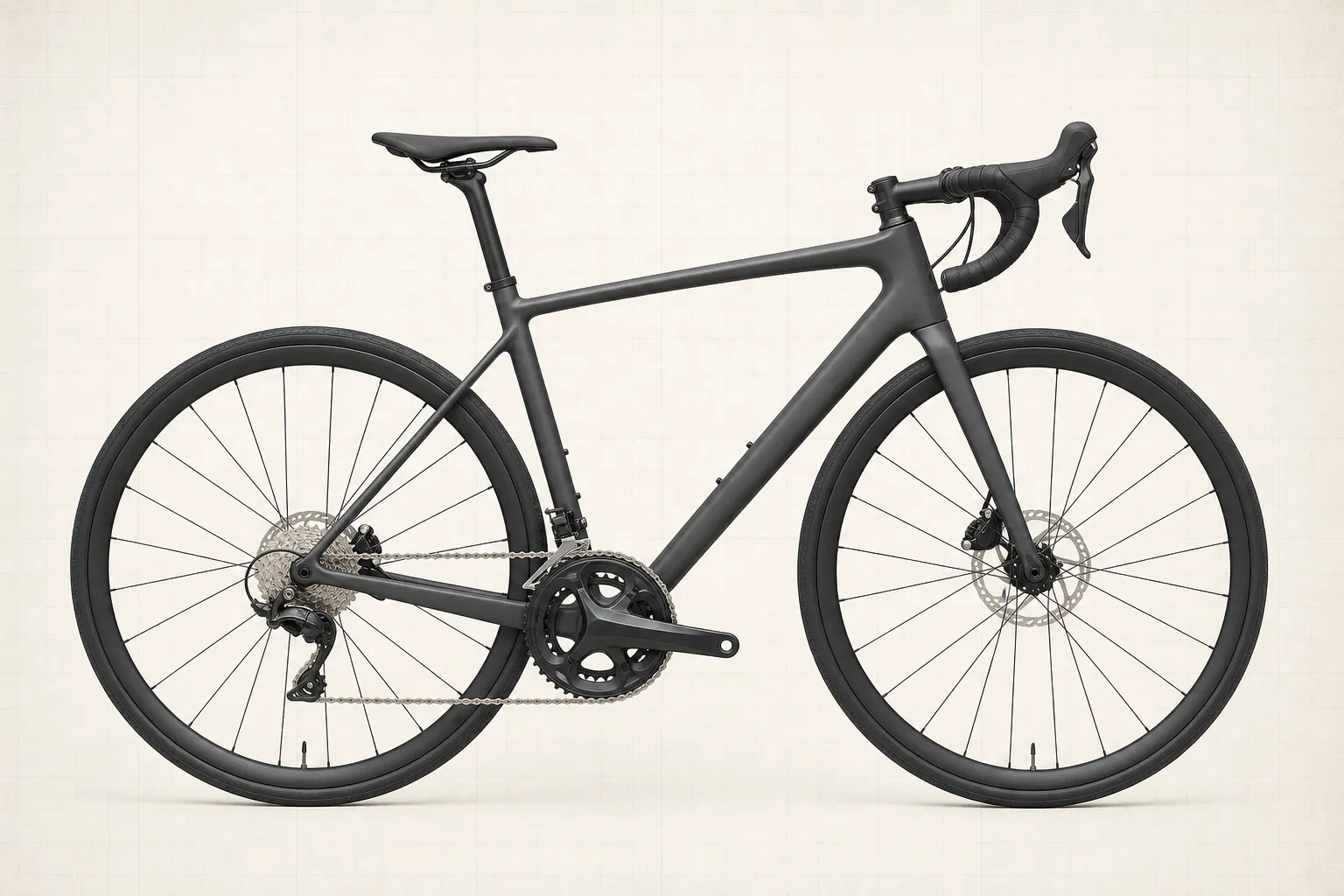
A very high saddle, reaching for the pedal, excessive ankle motion, an unsuitable stance width, or asymmetric pelvis position can contribute to foot pressure. But a single side-view frame cannot establish those causes.
Check whether:
- hips rock or one leg reaches at the bottom of the stroke;
- the affected knee tracks in a markedly different path;
- one cleat contacts the crank or chainstay;
- the saddle or indoor bike is level and secure;
- crank lengths and pedal hardware match;
- a recent fit change preceded the pain.
If a professional fit did not resolve the symptom, request a follow-up with the symptom log. A fit is a starting assessment, not proof that recurring pain must be tolerated. Read what to do when a bike fit makes pain worse before changing several coordinates alone.
Know when this leaves the fit workshop
Seek appropriate clinical assessment when pain:
- is severe, worsening, or returns every session;
- includes tingling, numbness, weakness, or loss of sensation;
- persists after the shoe is removed;
- affects walking or normal activity;
- comes with swelling, redness, heat, skin change, or a wound;
- follows a recent injury;
- occurs when you have diabetes or another condition affecting foot health.
Bring the clinician your symptom timing, shoe and insole, training history, and fit-change log. A sports-informed podiatrist, physiotherapist, or doctor can assess the foot; a bike fitter cannot rule out a medical cause.
Your next step
Cancel the long test. Compare both shoes and feet, reset the affected closure looser, and run one short easy session. If the same severe pain returns, stop experimenting and arrange qualified assessment.
Sources and further reading
- NHS: foot pain, recurring symptoms, altered sensation, and medical-review guidance
- NHS: Morton’s neuroma symptoms and footwear-related pressure guidance
- NHS community physiotherapy: foot-pain warning signs
- r/bikefit reader context: severe one-sided foot pain beginning shortly into indoor cycling — used as a current fit-and-triage signal; suggested diagnoses and modifications in replies were not treated as medical findings.