Your bicycle part was recalled—what should you do next?
Match the exact model and production code, stop using the part when instructed, document it, and follow the official bicycle recall remedy rather than improvising an inspection.
 Field guide / what-to-do-bicycle-part-recall
A bicycle recall is not a general warning about every product with the same brand name. It normally applies to an exact model, production period, serial range, batch, or component code and gives a specific action. Match your part to the official notice, stop using it when instructed, and use the stated inspection, replacement, repair, or refund route.
The short answer: find the manufacturer’s notice and your national product-safety regulator’s record. Photograph the complete bike, component markings, serial number, receipt, and condition before changing anything. If your item matches, follow the notice—not a forum shortcut or a shop’s improvised alternative. Keep written proof of the completed remedy.
Why this question is current
A recent r/bikewrench discussion about inspecting a recalled crank showed the practical uncertainty: does every matching component fail, can a shop pass it, and who authorises replacement? Reddit is useful here as a demand signal, but the recall owner and regulator define the actual process.
The US Consumer Product Safety Commission says recalled products should typically stop being used and that owners should follow the specific recall announcement. A recall can remain actionable long after its announcement, so “it has been fine for years” is not a clearance.
1. Use the official notice
Search three places:
- the manufacturer’s safety, corrective-action, or recall page;
- the product-safety regulator for the country where the item was sold;
- an authorised distributor or dealer listed in the notice.
Avoid relying on screenshots, a resale listing, a social post, or a search-result summary. Notices can be updated with extra production codes, revised remedies, new contact details, or regional instructions.
2. Match every identifier
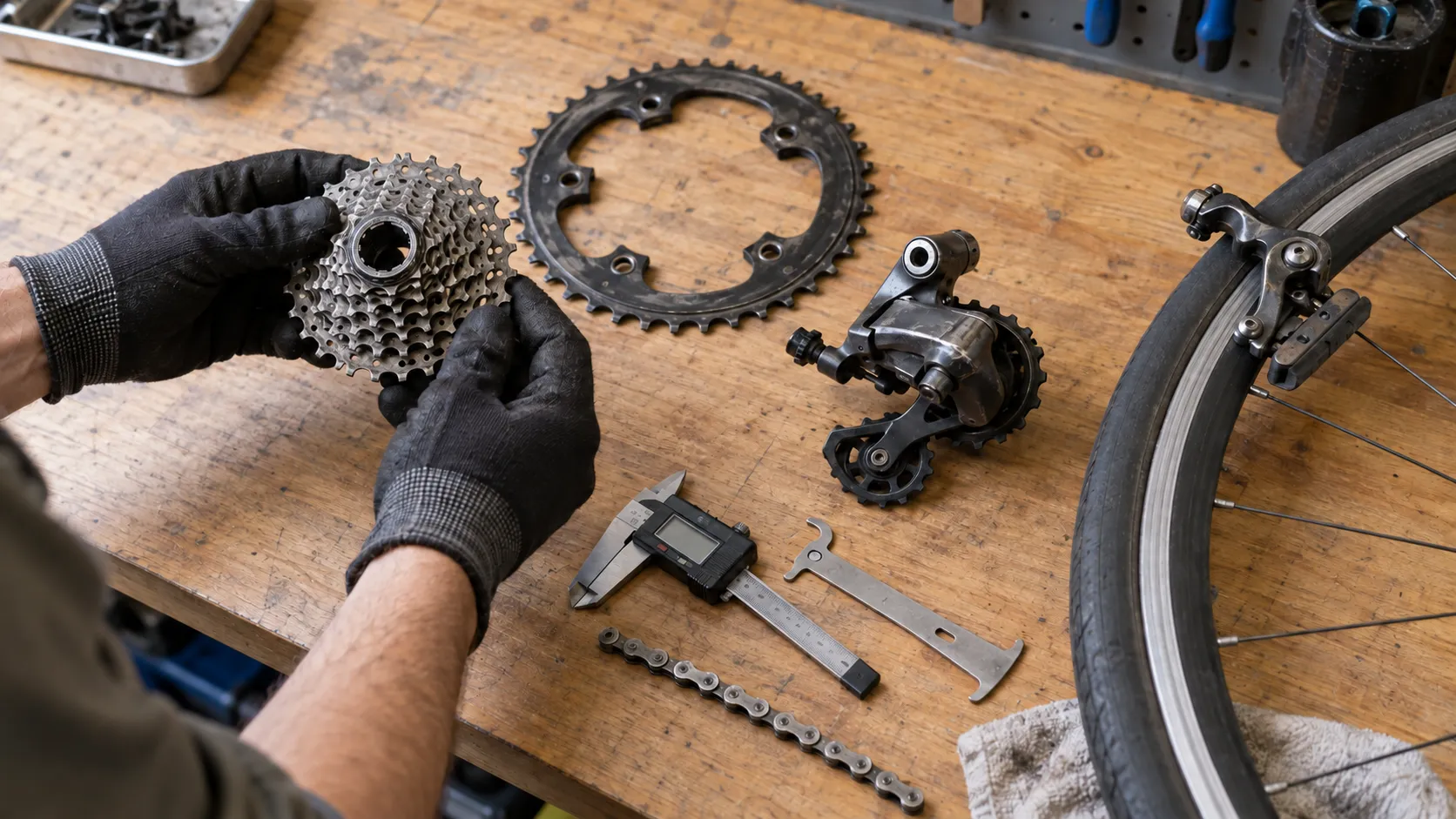
Record the bicycle brand and model, component maker, complete component model, serial number, production or date code, size, colour, market, and purchase date. Photograph each marking in focus and one wider image showing where the part sits on the bike.
The Shimano 11-speed bonded HOLLOWTECH II road-crank campaign illustrates why precision matters. Shimano’s notice covers named Ultegra and Dura-Ace models with specified pre-July-2019 production codes. It directs applicable cranks to an authorised retailer inspection and defines what happens after a pass or failure. A similar-looking crank or a model name alone is not enough to decide.
If a code is unreadable or missing, do not guess. Use the contact route in the notice and ask how the company wants the product identified.
3. Obey the stop-use wording
Recall notices may say to stop using the product immediately, remove it, inspect it before further use, or continue only after a defined check. Those instructions are not interchangeable.
Do not:
- perform a “careful test ride” to see whether the fault appears;
- sand, glue, drill, weld, tape, or repaint the suspect area;
- substitute a visual check when the notice requires an authorised inspection;
- keep riding while waiting because the part has not made noise;
- sell or donate the unresolved product without disclosing and resolving the recall.
Use how to identify a replacement bike part if the model marking is unfamiliar, but let the recall notice decide the remedy.
4. Build a clean claim file
Keep one folder containing:
- the official notice saved as a PDF or screenshot with date;
- your identification photographs;
- receipt or other proof of purchase if available;
- the first contact date and claim number;
- the shop’s intake form and inspection result;
- shipping labels, tracking, and delivery confirmation;
- the replacement part number and installation record;
- any instruction to continue periodic inspection.
Do not surrender the only copy of a receipt or serial photograph. If the company asks for destruction or return, document the product immediately before following that instruction.
5. Treat inspection and replacement as different outcomes
Some recalls replace every affected item. Others require a prescribed inspection and replace only items that fail. Still others offer a repair kit, refund, or updated instructions.
For Shimano’s named crank campaign, the official notice says applicable cranks are inspected by participating retailers, failed cranks receive a replacement, and cranks that pass may continue in use with normal inspection. That is a product-specific rule. It does not create a universal standard for passing other recalled parts.
If a shop proposes something different, ask for the section of the official notice that authorises it. A mechanic’s general confidence cannot override a stop-use instruction.
6. Escalate a stalled remedy through the stated channel
First confirm that your exact item is included and that you supplied every requested identifier. Ask for a claim number, the missing step, the expected response window, and whether the bike must remain assembled.
If the remedy remains unavailable, use the regulator route for your market. The CPSC, for example, accepts reports when a consumer cannot obtain an announced recall remedy. Keep the report factual: dates, claim numbers, promised actions, and what remains unresolved.
For a used-bike purchase, unresolved recall status belongs in the ready-to-ride cost and safety decision. Use the used-road-bike test ride checklist only after the recall question is resolved; a test ride is not an inspection method.
Your next step
Park the bicycle, photograph every relevant marking, and open the manufacturer and regulator notices side by side. Match the identifiers line by line. If the product is included, start the official remedy and save the claim number before changing or transporting the part.
Sources and further reading
- US CPSC recall FAQ: stop use and follow the product-specific notice
- US CPSC guidance when a recall remedy is difficult to obtain
- Shimano: 11-speed bonded HOLLOWTECH II road-crank inspection and replacement campaign
- r/bikewrench reader context: uncertainty around a recalled crank inspection — used only as an editorial demand signal.