Should you buy your first road bike online or from a local bike shop?
Compare an online road-bike deal with local-shop support by pricing the complete setup, fit, assembly, servicing, returns, and parts—not just the bike.
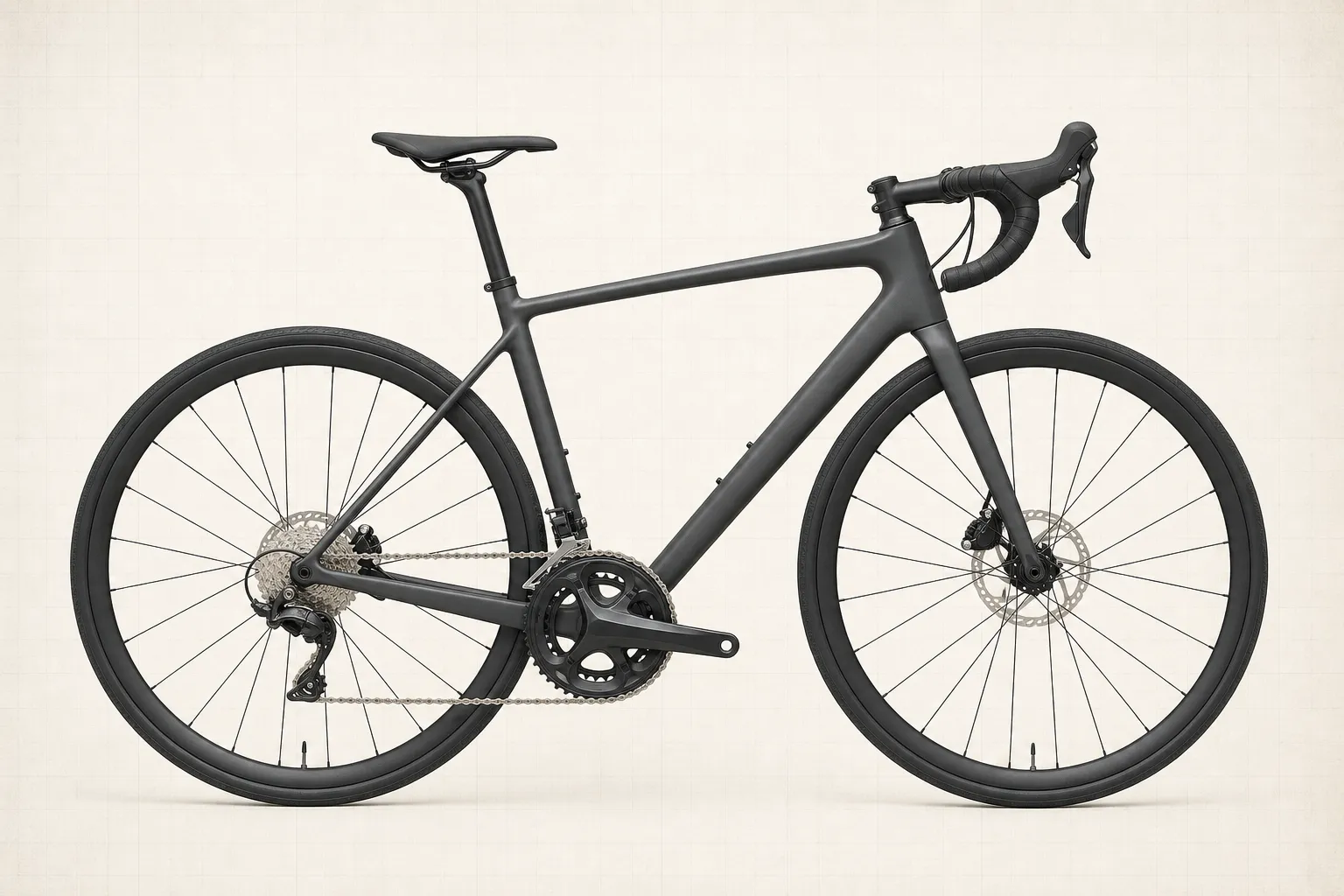 Field guide / buy-first-road-bike-online-or-local-shop
Before you view or pay
Check fit, condition, and starter gear first
Use the buying checklist to choose the right path: used-bike viewing, first-bike fit and type, hidden repair costs, or starter gear.
A local bike shop is usually the lower-friction choice for a first road bike when the fit, controls, assembly, or maintenance are unfamiliar. Buying online can still be sensible when the exact bike clearly suits you, the delivered price remains better after setup costs, and you already have dependable local service.
The short answer: compare the whole first year, not two headline prices. Put fit help, test rides, assembly, pedals, initial adjustments, returns, warranty handling, proprietary parts, and transport for service on the same sheet. Buy from the route whose support plan you can explain before paying.
Why this decision keeps appearing
Recent first-bike discussions have asked whether an online direct-to-consumer bike creates too much service friction for a beginner and whether shop access should change a new rider’s shortlist. These are useful demand signals, not verdicts about any retailer or brand.
The meaningful comparison is not shop bike versus internet bike. It is complete, supported bike A versus complete, supported bike B in your location. Some online brands now operate service-partner networks; some local shops offer little beyond the sale. Verify the actual arrangements rather than buying the stereotype.
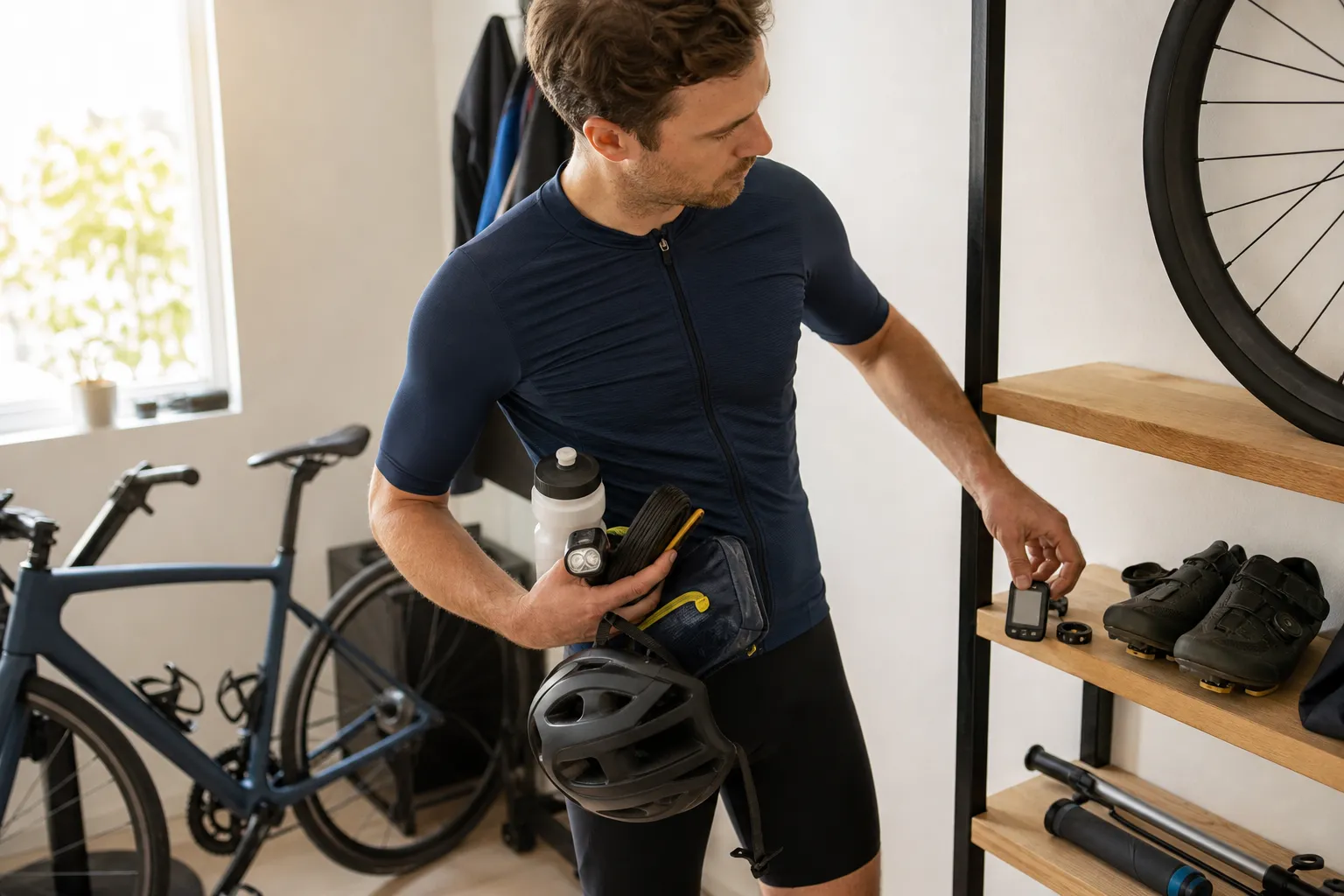
Compare the delivered, ride-ready cost
Start with the same items for every candidate:
| Cost or service | Online purchase | Local-shop purchase |
|---|---|---|
| Bike and delivery | Use checkout total, including tax and duties | Use written out-the-door price |
| Assembly | Confirm exactly what remains to do | Confirm what the shop assembles and checks |
| Pedals and small parts | Often separate; verify | Often separate; verify |
| Fit and control setup | Price any outside help | Ask what is included |
| Early adjustment | Price a local check | Ask whether a follow-up is included |
| Return | Record window, condition, packing, and shipping | Record shop policy and any restocking terms |
| Warranty | Record who diagnoses, removes parts, packs, and ships | Record what the shop handles |
| Future service | Identify a willing workshop before purchase | Ask about booking lead time and brands serviced |
Do not assign a cash value to vague promises. “Free tune-up” matters only if you know what work it includes and when it can be booked. “Easy return” matters only if a ridden or assembled bike is eligible and you can re-pack it correctly.
What a good local shop can add
A useful shop can help you:
- test more than one size or bike category;
- compare brake-lever reach and control from the hoods and drops;
- check that the intended tyres, gearing, mounts, and accessories suit your routes;
- assemble and document the bike correctly;
- make a small post-purchase adjustment after real rides;
- identify the correct replacement part later;
- handle some warranty diagnosis and communication.
Those benefits are not automatic. Ask who performs assembly, what checks are recorded, whether fit help means a brief setup or a full fitting service, and what happens if the recommended size feels wrong after a proper test.
A poor shop fit does not become correct because it happened in person. You still need to reach both brakes securely, use the available saddle adjustment range, and control the bike without being stretched or cramped. Take the beginner buying checklist with you instead of outsourcing the entire decision.
When buying online is a rational choice
An online bike can be the better package when:
- you have ridden the same model and size, or compared its geometry with a bike that fits;
- the manufacturer gives clear assembly instructions for the delivered configuration;
- you are competent for the required setup or have priced professional assembly;
- a suitable local workshop confirms it will service the bike;
- model-specific spares and support are available in your country;
- the return and warranty process is acceptable even if shipping is required;
- the all-in saving remains meaningful after those costs.
Do not assume a direct-to-consumer brand necessarily leaves every owner alone. Canyon, for example, publishes a service-location finder covering test rides, assembly, fitting, repairs, and other services where partners exist. Availability is location-dependent, which is precisely why the check belongs before checkout.
Five questions to send before paying
Ask the online seller or shop the same concrete questions:
- What exact model year, size, components, and included parts will I receive? Product photos may show another specification.
- What assembly and safety checks remain after handover or delivery? Ask for the model-specific instructions.
- What happens if the size is wrong after a short careful test? Get the return conditions in writing.
- Who pays for diagnosis, labour, packing, and shipping on a warranty claim? A parts warranty and a complete-bike process are not the same thing.
- Which service parts are proprietary, and how are they ordered? Ask about hangers, headset parts, seatpost hardware, spacers, and cockpit fittings.
If the answers are unclear before the sale, they are unlikely to become simpler when the bike is unavailable because one small part is missing.
Use fit to break a close tie
Do not choose a slightly cheaper bike that forces a risky size gamble. Compare the exact geometry numbers—especially stack and reach—with a bike you can ride. Brand labels such as small, medium, or 56 cm are not reliably equivalent.
If two options remain close, prefer the one you can control and service with less improvisation. A modest aluminium bike in the correct size with familiar parts can be a better first purchase than a more impressive specification with inaccessible brakes, an extreme position, or no repair path.
Use how to tell whether a road bike is too big or too small before interpreting a chart. If buying used remains in the comparison, add the inspection and immediate repair budget from the used-road-bike checklist.
Avoid these shortcuts
- Do not treat a discount percentage as evidence of fit or value.
- Do not assume every local workshop will prioritise or warranty a bike it did not sell.
- Do not assume every shop purchase includes a professional fit.
- Do not spend the helmet, lights, repair-kit, or service budget to reach a higher groupset.
- Do not assemble safety-critical parts from a generic video when model instructions differ.
- Do not order two sizes casually without understanding return shipping and condition rules.
Your next step
Put your best online option and best local option into the comparison table, then call the workshop you would actually use. Ask whether it will assemble and service the online model and what that costs. Take the resulting complete prices through the road-bike buying checklist before choosing.